Skip to content
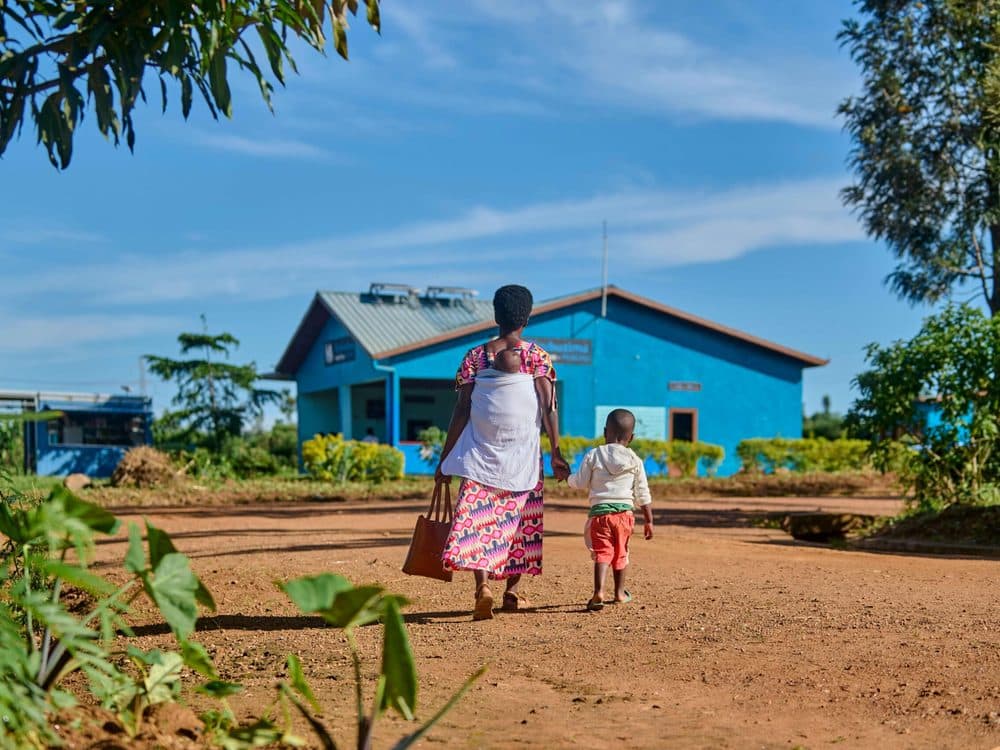
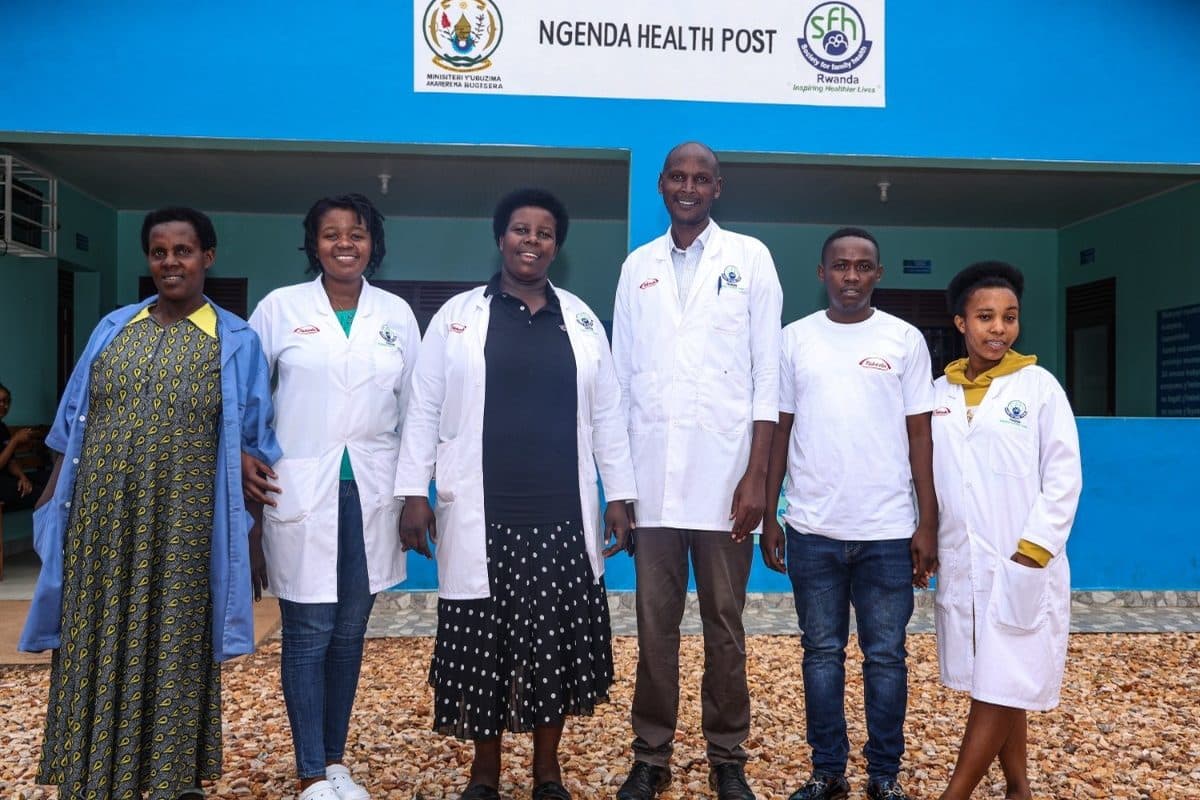
A completed Second-Generation Health Post with community members arriving for care

What We Do

Expanding Access to Primary Healthcare

SFH Rwanda works to make sure quality healthcare is within reach of every community, no matter how remote.

  • 350

    Health posts built or upgraded

  • 1M+

    Clients served

  • 195

    Health posts digitized

  • 50

    New SGHPs in the first half of 2026

The challenge

Across Sub-Saharan Africa, distance is often the difference between life and death. Nearly a quarter of Rwanda's rural population still lives more than 5km from the nearest health facility — and 80% of Rwandans live in rural areas, meaning the majority of the country depends on how close care can be brought to them, not the other way around.

Rwanda has made real progress closing this gap. Since 2019, SFH Rwanda has constructed or upgraded 350 health posts, and health post service delivery now reaches over 1 million clients every six months — including thousands of births, family planning visits, and childhood vaccinations that once required a multi-hour journey to a district hospital.

The gap is real, and it is not evenly spread

Rural, agricultural, and refugee-hosting communities remain the most underserved. A 2026 SFH-led Total Market Approach assessment found that even in a functioning national health system, an estimated 161,946 women aged 15–49 remain underserved for family planning alone — with the burden concentrated among adolescents, single women, and rural populations, particularly in Southern Province.

Sub-Saharan Africa as a whole also faces a workforce shortfall of nearly 6 million health care workers — a gap so large that hiring and training alone cannot close it in the foreseeable future. Closing the distance to care requires new models, not just more of the same one.

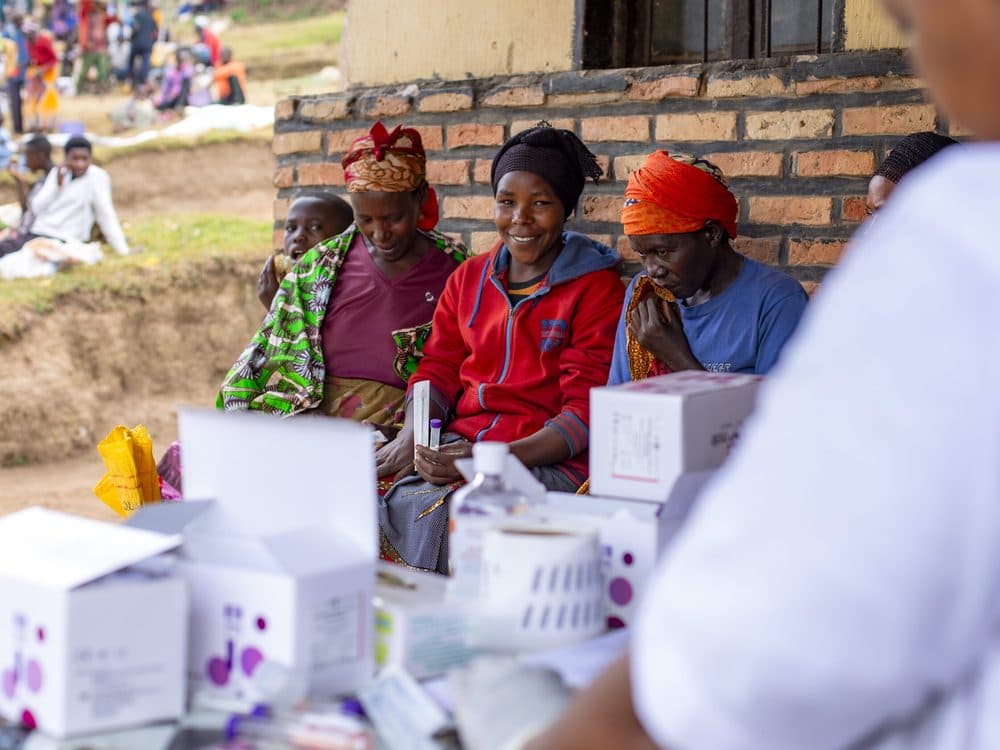
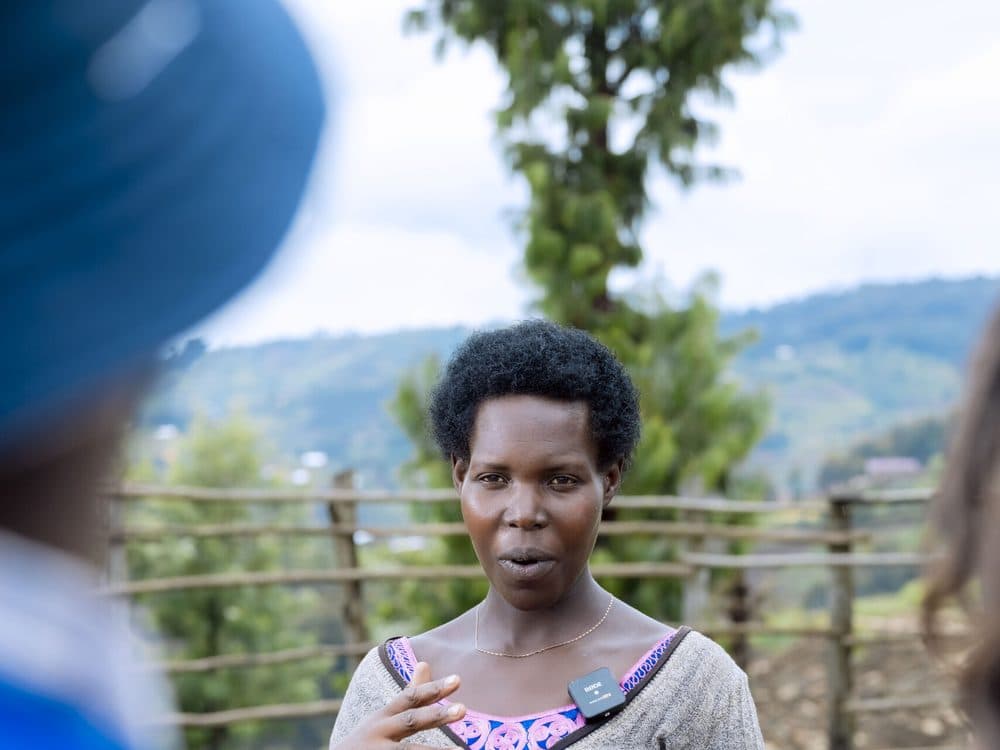
SFH community health workers on an outreach visit

Our approach

To close this gap, SFH Rwanda focuses on four priority areas. Each one on its own would leave a hole: a building without a nurse, a nurse without income, income without data. Together they make a health post that stays open.

01

Building & Equipping Health Posts

From first generation to second generation

Rwanda's health post model began as a way to close the last mile — small facilities offering basic services close to home. But basic wasn't always enough. In 2019, SFH Rwanda launched the Second-Generation Health Post (SGHP) model in Bugesera District to go further: full maternity wards, diagnostic laboratories, pharmacies, and non-communicable disease management, all within walking distance of communities that previously had none of it.

This work is made possible through partnerships with Takeda, KfW, UNFPA/SIF and the Ministry of Health, including catalytic grants for health posts serving refugee communities during their critical early operating phase.

  • 350 health posts constructed or upgraded to date
  • 112 health posts fully established and operated by SFH in partnership with the Ministry of Health (105 SGHP, 7 FGHP)
  • 50 new SGHPs completed in the first half of 2026 alone, supported by Takeda and IFE
  • 40 additional SGHPs being equipped through our partnership with KfW, alongside 7 new ambulances
  • 35 health posts now offer dental services, up from 14, and 15 offer ophthalmology
A completed Second-Generation Health Post with community members arriving for care

02

Public–Private–Community Partnership

Healthcare no single sector could build alone

Every health post that SFH helps construct, equip, operate or digitize is part of one coordinated public health system. Government provides leadership, policy direction and integration within the national health system. Donors and funding partners provide catalytic financing and technical support. SFH Rwanda mobilizes resources and partners, constructs and renovates, recruits, trains and supports service quality using digital systems and real-time data. Nurse entrepreneurs deliver the services, and communities shape, use and sustain the care provided.

  • Public — policy, integration and regulatory governance, so health posts operate as formal nodes of the national health system rather than parallel outposts.
  • Private — operational delivery, enterprise and technology: nurse entrepreneurship, expanded insurance coverage, EMR tools and diagnostic infrastructure.
  • Community — grassroots ownership through Community-Based Health Insurance, Community Health Workers, and services aligned to rural primary care needs.
  • Partnership — the institutional framework connecting all three, pairing catalytic construction funding with academic research that feeds national and regional policy.
A 2026 WHO/AHOP policy brief on Rwanda identifies public-private community partnership as central to closing the country's remaining rural access gaps, where nearly a quarter of the rural population still lives more than 5km from a facility.
WHO / AHOP policy brief, 2026
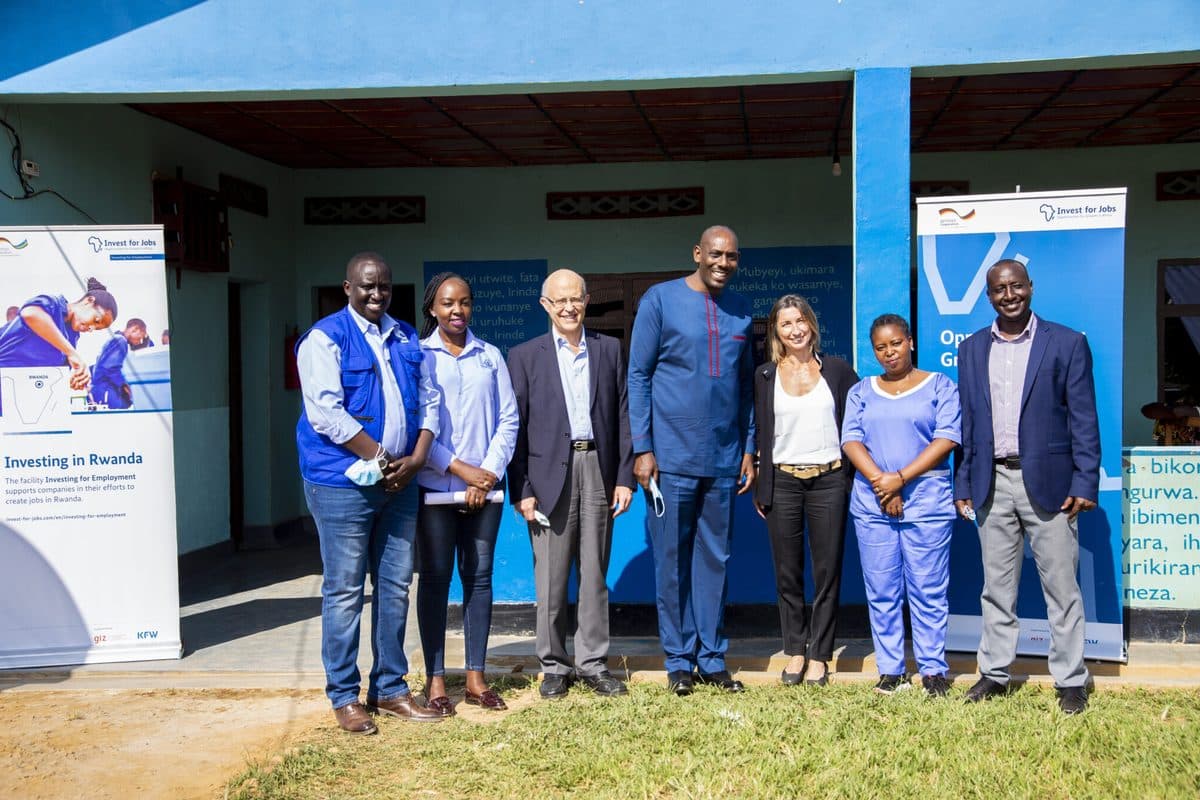
SFH Rwanda staff and partners at a health post launch

03

The Nurse Entrepreneur Model

Healthcare that pays for itself — and pays its providers

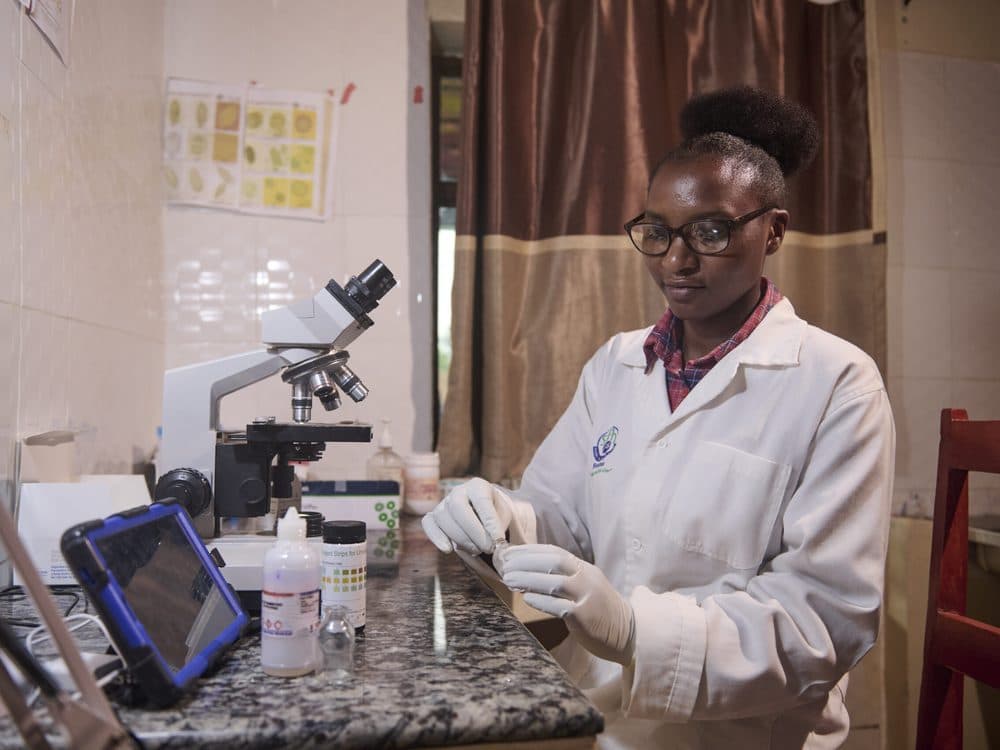
A health post is only as sustainable as the person running it. That is why every SGHP is operated by a trained nurse entrepreneur: someone equipped not just with clinical skills, but with the financial and business training to run their facility as a viable enterprise.

This is what allows a health post to keep its doors open at 2am for a mother in labour, without waiting on the next grant cycle.

  • All SFH-supported health posts now operate under Community-Based Health Insurance, ensuring broad affordability
  • 23 health posts renewed their RSSB contracts this period, with 12 newly contracted
  • Private insurance partnerships now include MMI (39 posts), Old Mutual (25), RAMA (14), Eden Care (2) and Prime (1), diversifying revenue so no single funding source can put a health post at risk
  • 486 healthcare workers trained this period alone, across 9 priority health areas
When Health meets Enterprise

04

Digitizing Rural Care

The Blue Room: from reactive care to predictive care

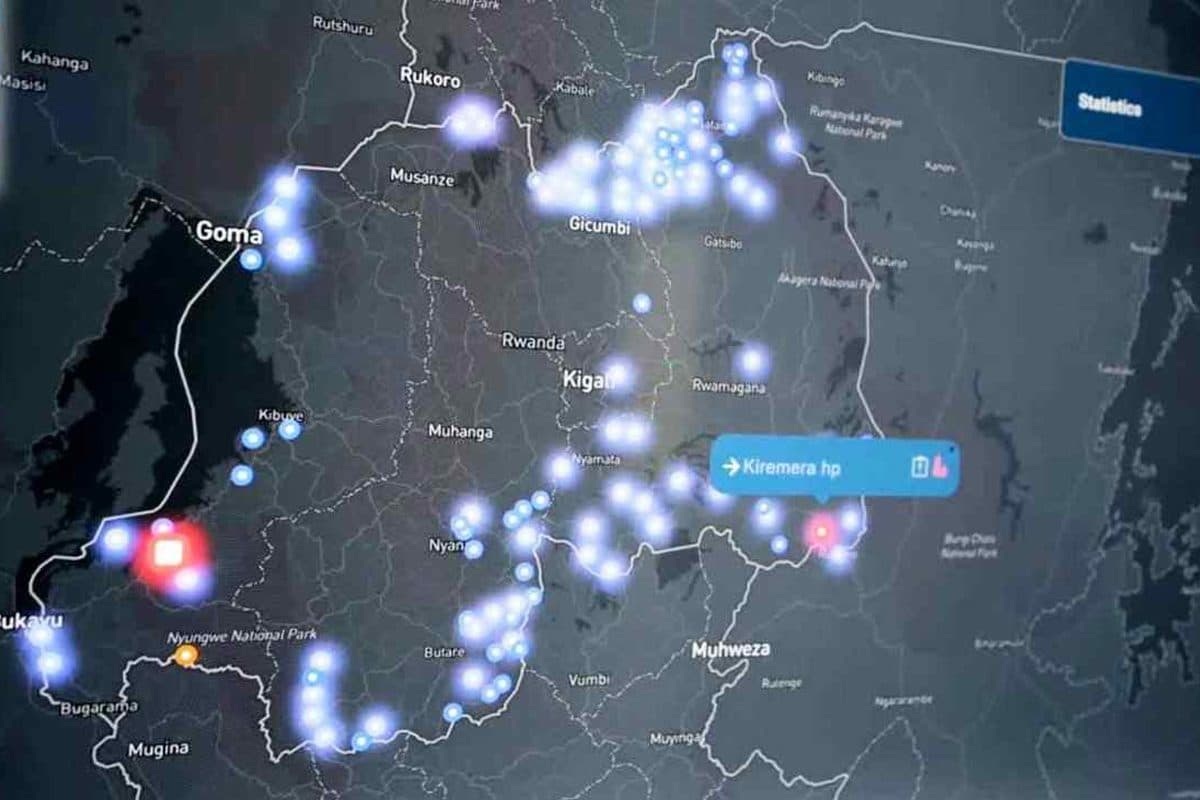
Every health post we digitize connects to the Blue Room, our centralized Health Intelligence Center, operational since 2022. Powered by real-time data and AI-driven analytics, the Blue Room doesn't just record what happened — it helps predict what's coming: flagging emergencies for faster dispatch, identifying where the next health post is needed most, and cutting unnecessary referrals.

  • 195 health posts fully digitized to date, 59 in the first half of 2026 alone
  • IMARA, our own Electronic Medical Record system, deployed to 38 Second-Generation Health Posts
  • 238 Trainers of Trainers prepared to support Rwanda's digital community health agenda
  • 2,600+ Community Health Workers trained on digital health systems
  • Digitization has cut supply-chain reconciliation time from over 15 days to real time
Data saves lives: Inside SFH’s ‘Blue Room’

Going forward

Our commitment

Our goal is 1,000 digitized health posts in Rwanda, and up to 100,000 across Africa, by 2030. Going forward this programme will:

  1. 1.

    Expand the Second-Generation Health Post network into the districts where the distance to care remains longest

  2. 2.

    Widen the services available at community level — maternity, dental, ophthalmology and laboratory — so fewer people travel to a district hospital for care that can safely be given nearer home

  3. 3.

    Digitize every SFH-supported health post and connect it to the Blue Room

  4. 4.

    Deepen insurance coverage at facility level so that health posts are financially resilient without donor support

  5. 5.

    Take the model beyond Rwanda, building on SFH Rwanda's experience in South Sudan

From the community

From the road to the health post

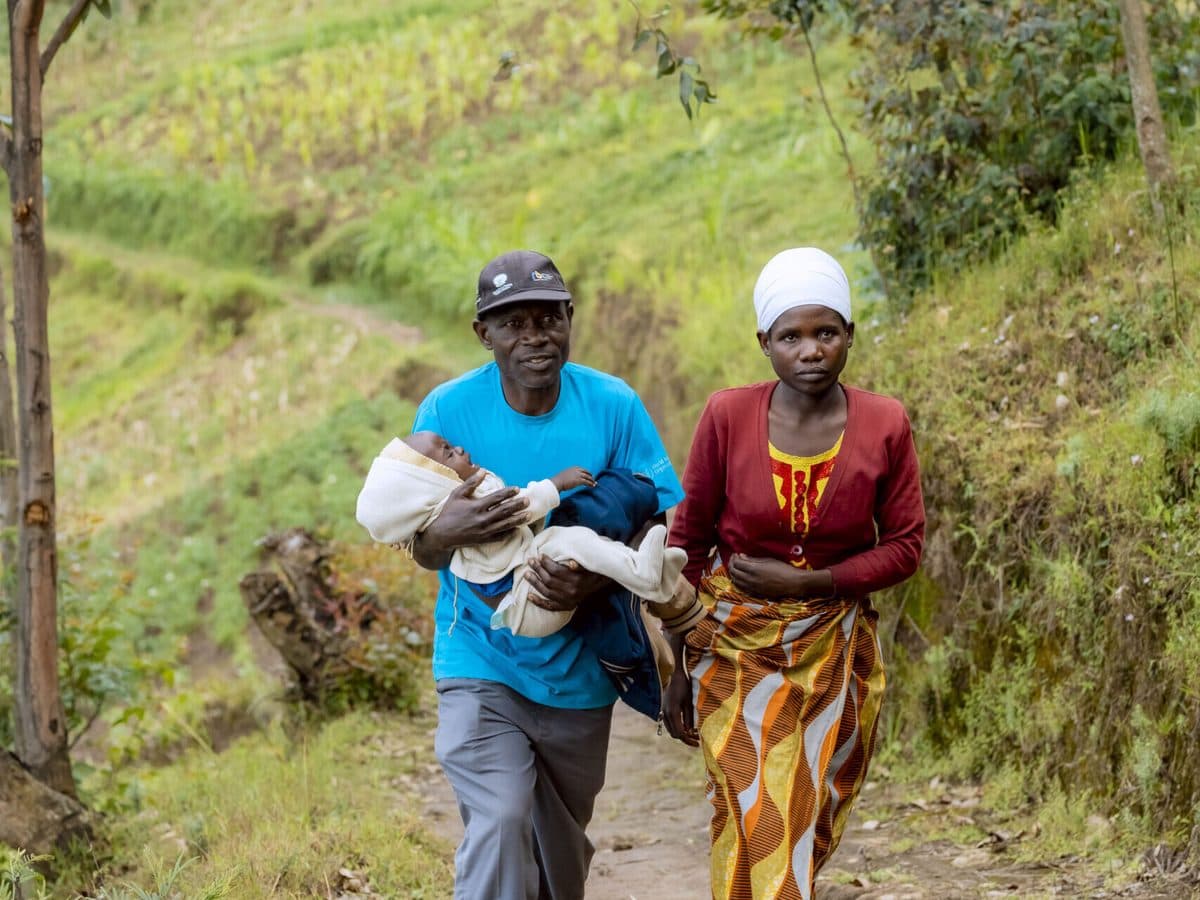
Marie Musabyimana once gave birth on her way to a hospital two hours away. Today, with a health post minutes from her home, her story — and the stories of thousands like her — has changed completely.
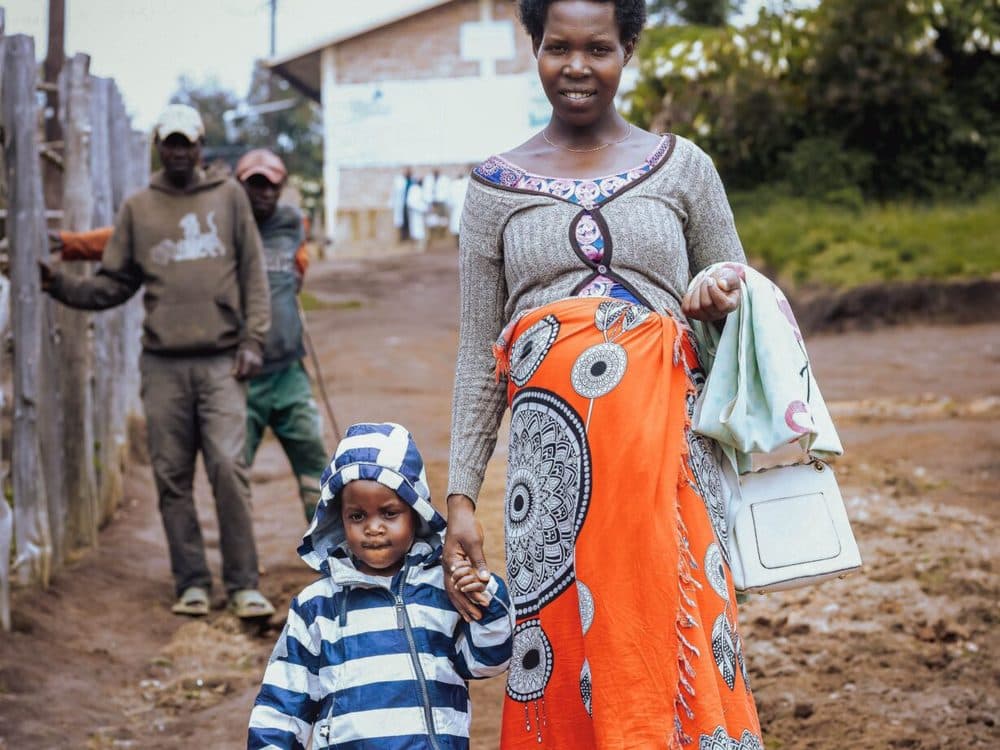
A mother walking with her children in her community