Skip to content
IRS Is Reinforcing Rwanda’s Malaria Defence

What We Do

Malaria Prevention, Research & Treatment

Malaria is preventable. Every death from it is a failure of systems, not of fate.

  • 200 → 13

    Cases in the SC Johnson shield pilot, Rusizi District

  • 80%+

    Fall in malaria deaths in Rwanda, 2005–2020

  • 4

    Priority high-burden districts: Kirehe, Ngoma, Kayonza, Bugesera

  • Real time

    Case data captured through CMR and EMR

The challenge

The global picture

Malaria remains one of the world's most deadly and preventable diseases. An estimated 249 million cases were recorded in 2022, with Sub-Saharan Africa bearing over 94% of all cases and deaths. Children under five and pregnant women account for the majority of malaria-related deaths. Malaria continues to claim a life every two minutes.

Climate change, insecticide resistance and gaps in health system coverage are slowing progress — and in some regions reversing it. The tools to defeat malaria exist. What is needed is the sustained commitment to get them to every household that needs them.

The Rwanda context

Between 2005 and 2020, malaria-related deaths in Rwanda dropped by over 80% — driven by mass distribution of long-lasting insecticide-treated nets, indoor residual spraying, expanded community-level diagnosis and treatment, and strong government leadership.

Yet malaria remains a leading cause of illness, particularly in high-burden districts including Kirehe, Ngoma, Kayonza and Bugesera. Seasonal transmission peaks, insecticide resistance and the challenge of reaching the last mile continue to threaten the gains made.

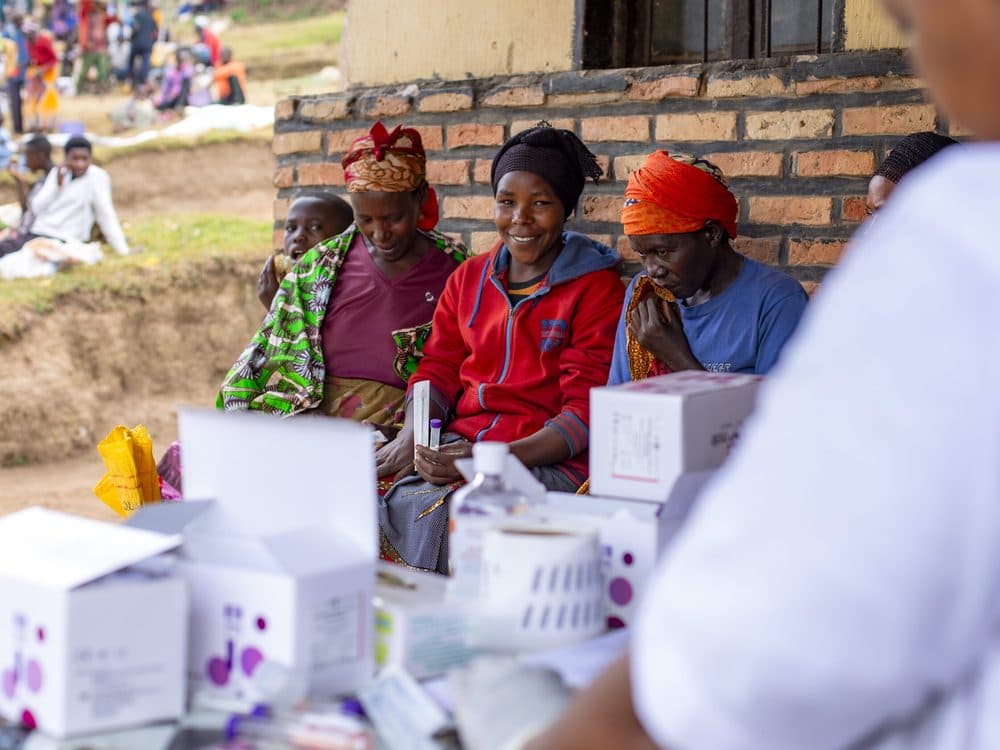
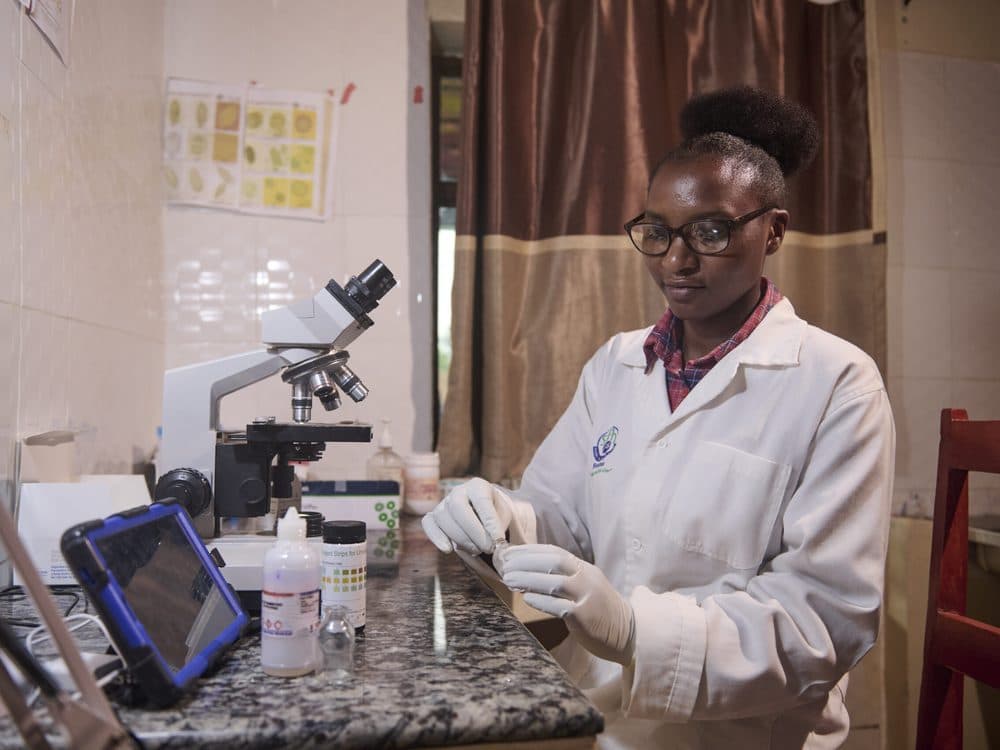
A malaria rapid diagnostic test being conducted at a health post

The gaps that still cost lives

  • High burden in specific districts — Kirehe, Ngoma and other Eastern Province districts continue to record disproportionately high case loads
  • Insecticide resistance threatens the effectiveness of indoor residual spraying and treated nets, demanding continuous research and adaptation
  • Behavioural gaps — many households still do not consistently use nets or seek early diagnosis and treatment
  • Limited community-level access — distance from health facilities delays diagnosis and treatment, increasing the risk of severe malaria
  • Data and surveillance gaps at community level limit the ability to target interventions precisely
  • Drug resistance monitoring requires strict oversight of treatment protocols to keep antimalarials effective

Our approach

SFH Rwanda's malaria programme is one of the most comprehensive and community-rooted malaria responses in Rwanda, combining prevention, diagnosis, treatment, research and social behaviour change across multiple districts and delivery channels.

01

Protecting communities

Prevention that reaches every household

  • Mass distribution of long-lasting insecticide-treated nets in high-burden areas, prioritizing pregnant women and children under five
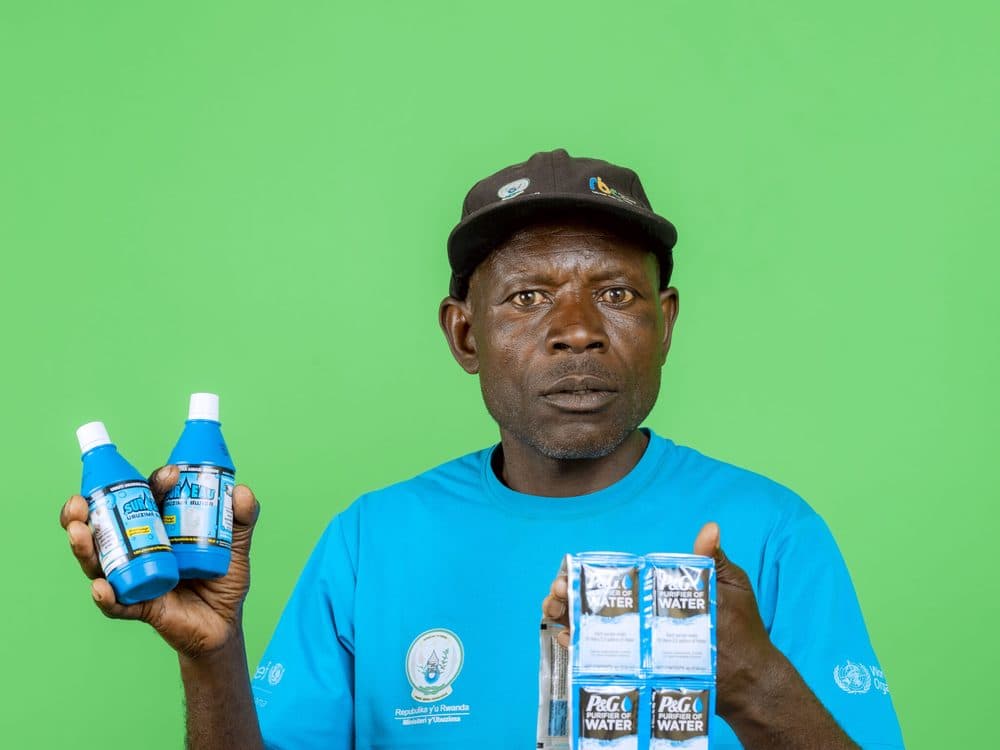
  • Distribution of mosquito repellents and shields, including the SC Johnson mosquito repellent shield pilot in Kamembe and Gihundwe sectors of Rusizi District, which reduced malaria cases from 200 to 13 and is safe for pregnant mothers, newborns and all household members
  • Community waste management support, including bins in pilot areas to manage packaging waste
  • Community Health Worker-led outreach — household visits, distribution of prevention tools, and follow-up on vulnerable community members
A malaria rapid diagnostic test being conducted at a health post

02

Indoor residual spraying

Bringing protection inside the home

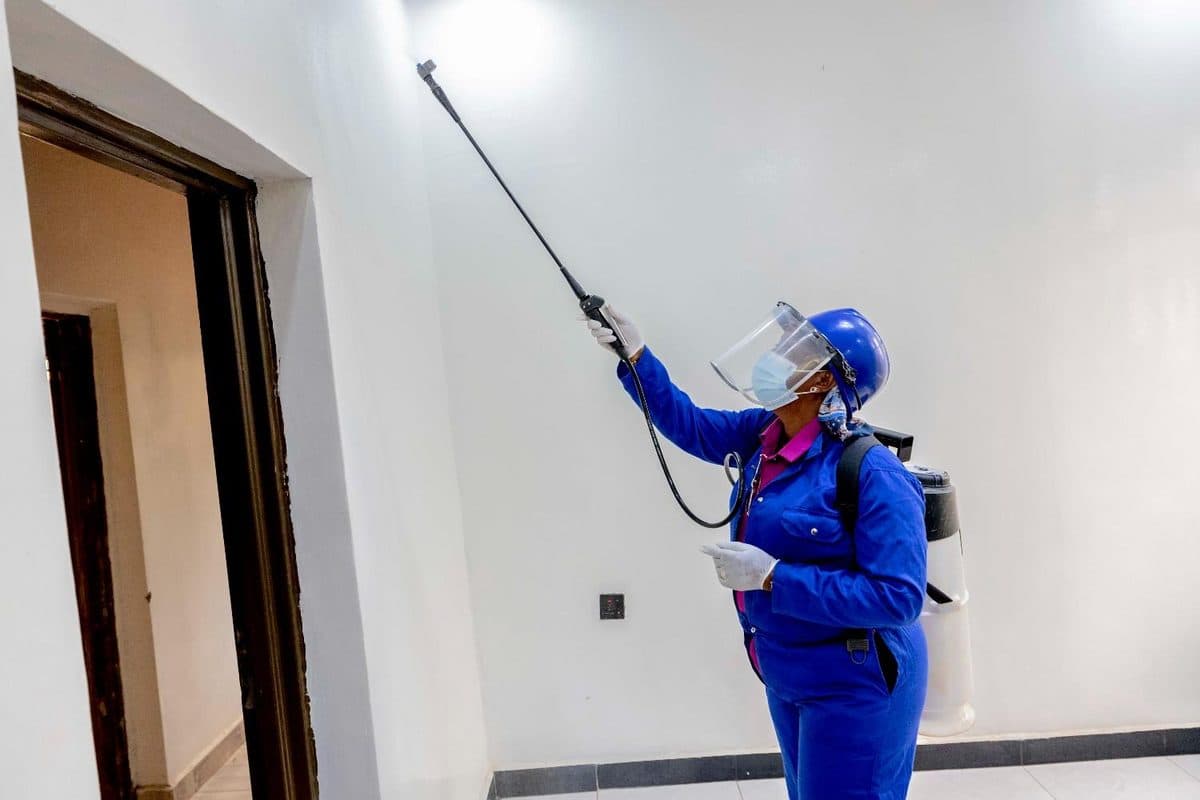
SFH Rwanda coordinates and implements one of Rwanda's largest indoor residual spraying programmes — a proven and highly effective intervention that protects households from the inside out.

  • Large-scale operations across targeted high-burden districts, coordinated with the Rwanda Biomedical Centre and district health teams
  • Training and deployment of skilled spray operators equipped with protective gear and quality-assured insecticides
  • Household registration, community mobilization and post-spray monitoring to ensure coverage is comprehensive
  • Continuous adaptation of insecticide formulations in response to emerging resistance patterns
  • Documentation of coverage, impact data and lessons learned for programme improvement
IRS Is Reinforcing Rwanda’s Malaria Defence

03

Diagnosis, treatment & health system strengthening

Prevention alone is not enough

When malaria strikes, communities need fast, accurate diagnosis and effective treatment without travelling hours to reach it.

  • Strengthening health posts to provide sustainable diagnosis and treatment, including rapid diagnostic tests and first-line antimalarials
  • Supporting Community Health Workers to diagnose and treat uncomplicated malaria in children under five at village level through ICCM protocols and digital tools
  • Digital surveillance through CMR and EMR systems, capturing individual-level case data in real time
  • Drug resistance monitoring, ensuring strict adherence to treatment protocols and flagging emerging resistance early
  • Strengthening supply chains so antimalarials and diagnostic supplies are consistently available, with no stock-outs
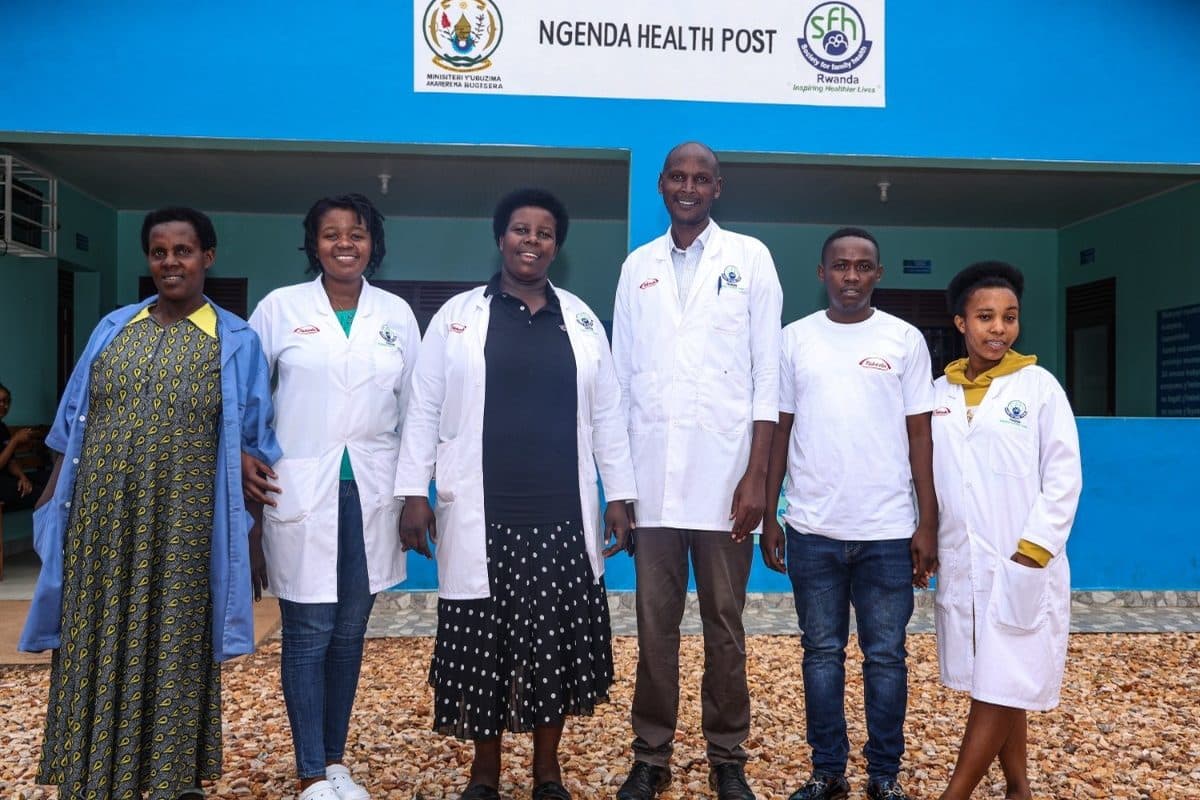
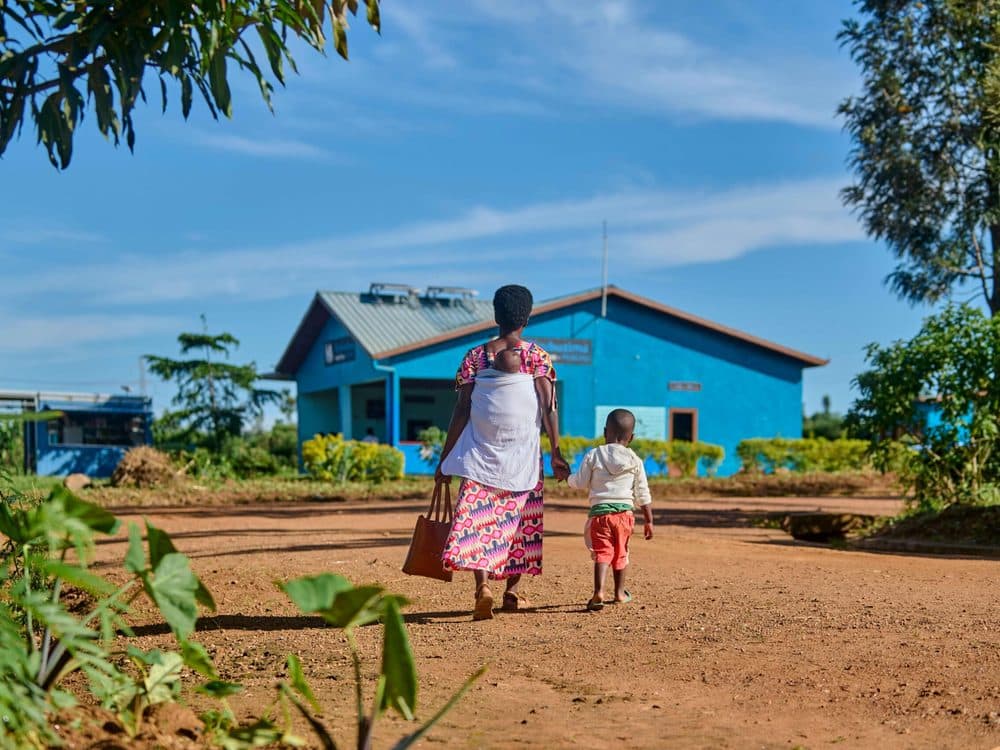
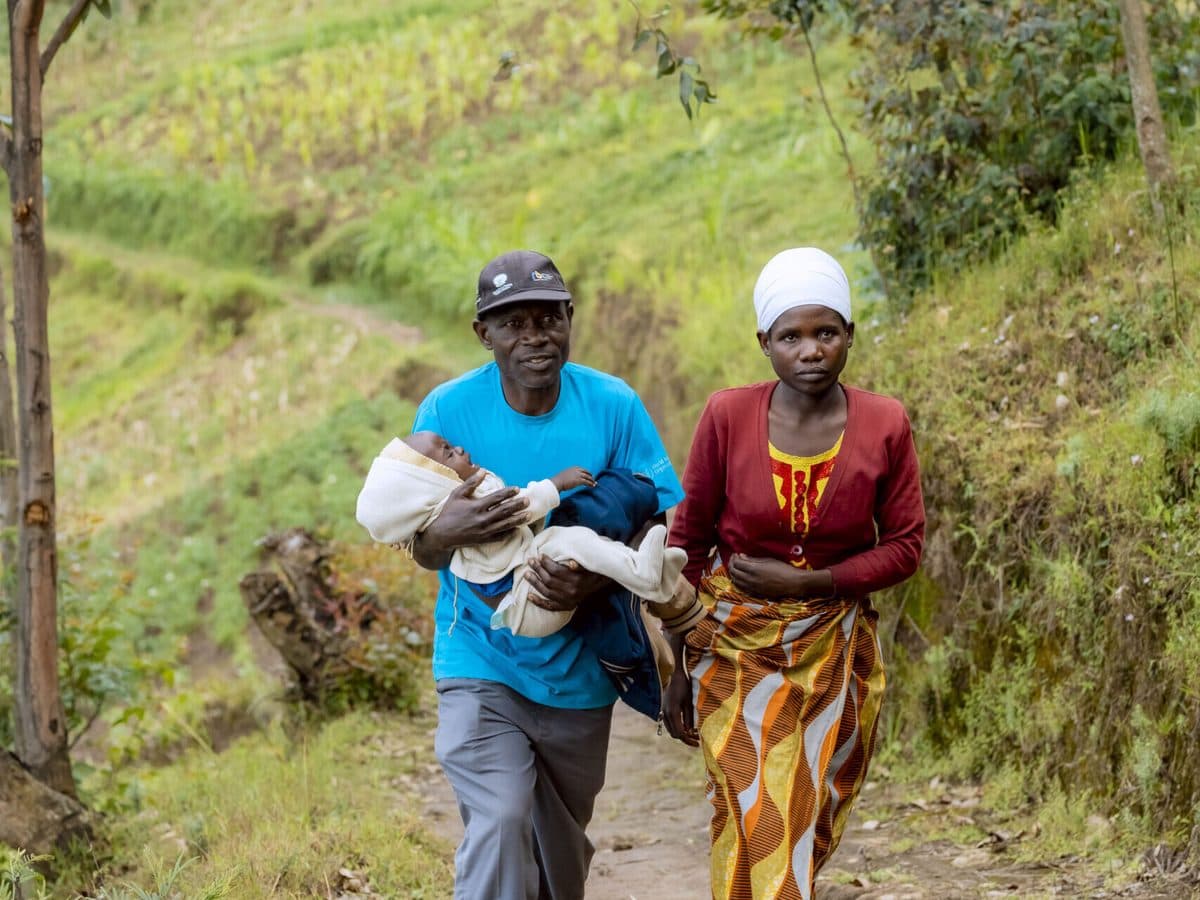
A completed Second-Generation Health Post with community members arriving for care

04

Research, behaviour change & partnerships

Evidence-driven action for lasting change

  • Community-based malaria research that informs programme design, targeting and scale-up
  • Social and behaviour change campaigns that increase consistent net use, promote early care-seeking, and address myths about prevention and treatment
  • Community education and mobilization, training CHWs and community leaders as trusted sources of malaria information
  • Partnership with SC Johnson, piloting the mosquito repellent shield as a complementary prevention tool safe for all household members
  • Partnership with the Rwanda Biomedical Centre and Ministry of Health, aligning every intervention with the national malaria control strategy
  • Coordination with the Guardians Initiative, documenting and scaling community-based protection models
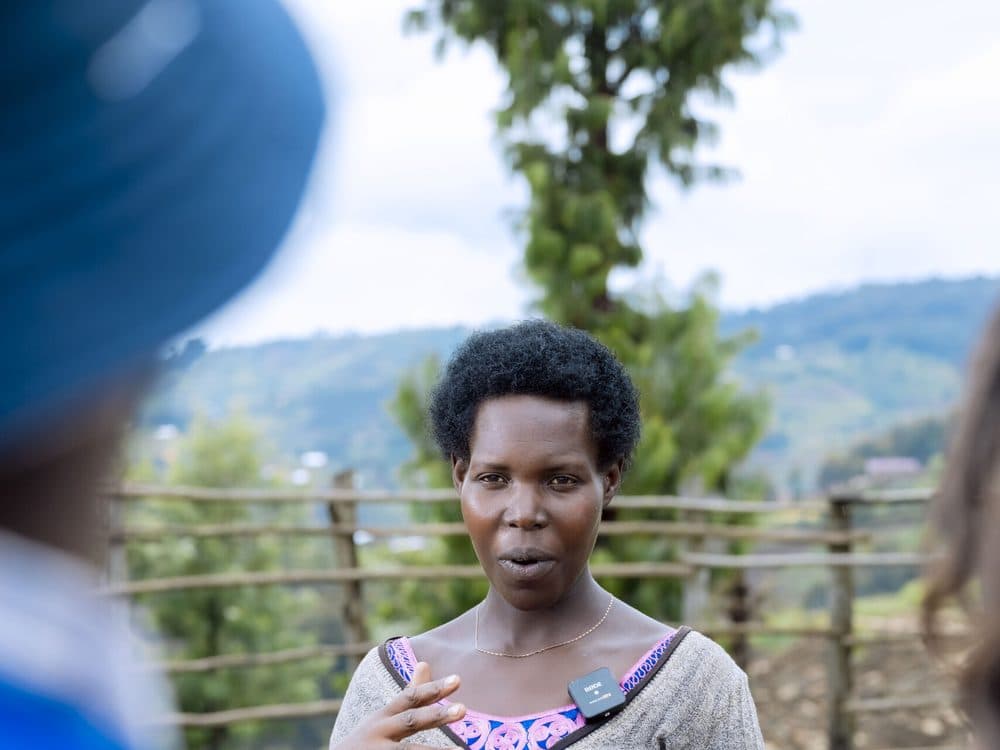
SFH community health workers on an outreach visit

Our impact

What our work has achieved

IndicatorAchievement
Malaria cases — SC Johnson pilotReduced from 200 to 13 in Kamembe and Gihundwe sectors, Rusizi District
Indoor residual sprayingLarge-scale operations across multiple high-burden districts in Rwanda
Net distributionThousands of long-lasting insecticide-treated nets distributed in high-burden areas
Community diagnosis & treatmentCHWs diagnosing and treating malaria at village level across supported districts
Digital surveillanceIndividual-level case data captured in real time through CMR and EMR
Partnership reachRBC, Ministry of Health, SC Johnson, district health teams and community structures

Going forward

Our commitment

Malaria is preventable, and SFH Rwanda is committed to proving it — district by district, household by household. Going forward this programme will:

  1. 1.

    Expand indoor residual spraying to more high-burden districts in coordination with RBC and district health teams

  2. 2.

    Scale up the SC Johnson mosquito repellent shield model as a safe, community-friendly complementary tool

  3. 3.

    Strengthen digital malaria surveillance through CMR and EMR integration, enabling real-time case tracking and faster targeted response

  4. 4.

    Deepen social behaviour change programming to increase consistent net use and promote early care-seeking

  5. 5.

    Expand community-level diagnosis and treatment so every CHW in supported districts can treat uncomplicated malaria without a patient leaving their village

  6. 6.

    Continue malaria research, generating the evidence needed to stay ahead of insecticide and drug resistance

Explore our work

From the community

No more searching in the dark

A community member in a high-burden district describes what it meant when indoor residual spraying came to her home for the first time — and what it means now to know her children sleep safely under a net every night.
IRS Is Reinforcing Rwanda’s Malaria Defence