Skip to content
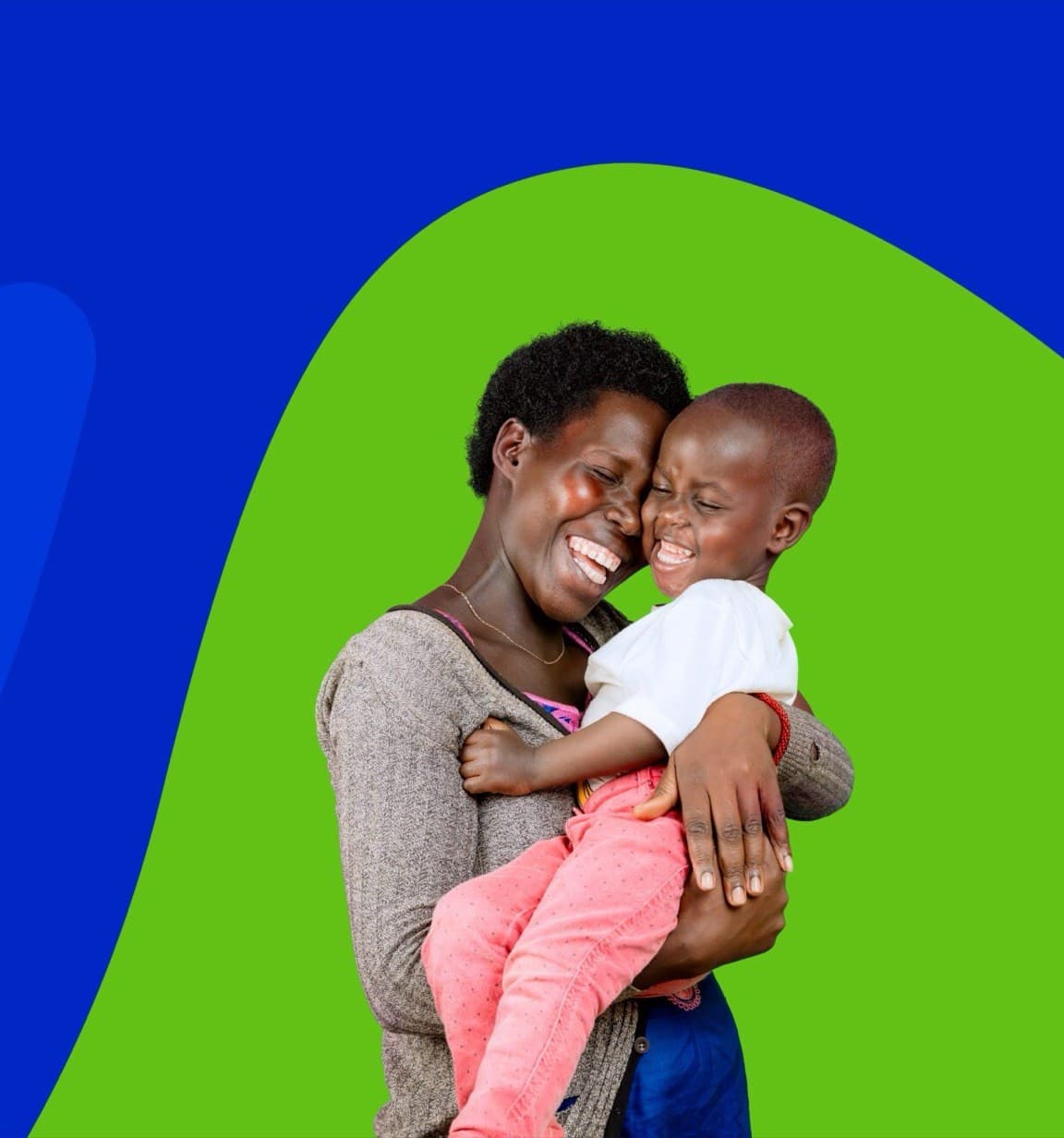
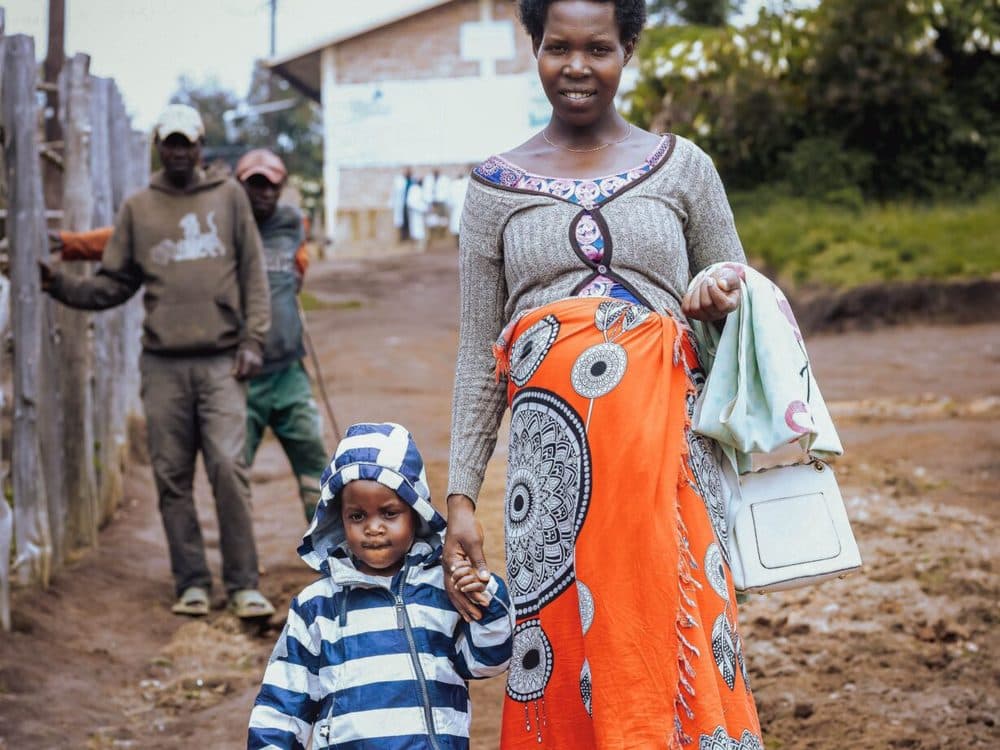
A Rwandan mother smiling cheek-to-cheek with her young child

What We Do

Maternal, Child & Community Health

No woman should die giving life. No child should lose their first breath to a preventable cause. This is not just our belief — it is our work.

  • 105

    Maternal deaths per 100,000 live births in 2023, from 210 in 2014/15

  • 45,000+

    Community Health Workers delivering first-line care

  • 90%+

    Of the population covered by community-based health insurance

  • 15,000

    Young people reached through the Kura Nawe programme

The challenge

The global picture

Maternal mortality declined by 34 to 40% between 2000 and 2023 — a significant achievement. Yet progress has slowed dramatically since 2016. In 2023 alone, an estimated 260,000 women died from maternal causes, roughly one every two minutes. Sub-Saharan Africa accounts for nearly 70% of all global maternal deaths, and in this region a woman faces a 1 in 55 lifetime risk of dying from a maternal cause — a stark reminder that where a woman is born still determines whether she survives childbirth.

Research consistently shows that midwives and skilled birth attendants are among the most cost-effective solutions available. Properly educated and integrated into health systems, midwives can provide up to 90% of essential sexual and reproductive health services, and could avert over 4.3 million deaths annually by 2035.

The Rwanda context

Rwanda has made extraordinary progress. The maternal mortality ratio has dropped from 210 deaths per 100,000 live births in 2014/15 to 105 in 2023 — a reduction attributed to expanded midwifery services, improved rural healthcare access, and a strong community health worker network. Over 90% of the population is now covered by community-based health insurance, and more than 45,000 community health workers deliver first-line maternal and newborn care at village level.

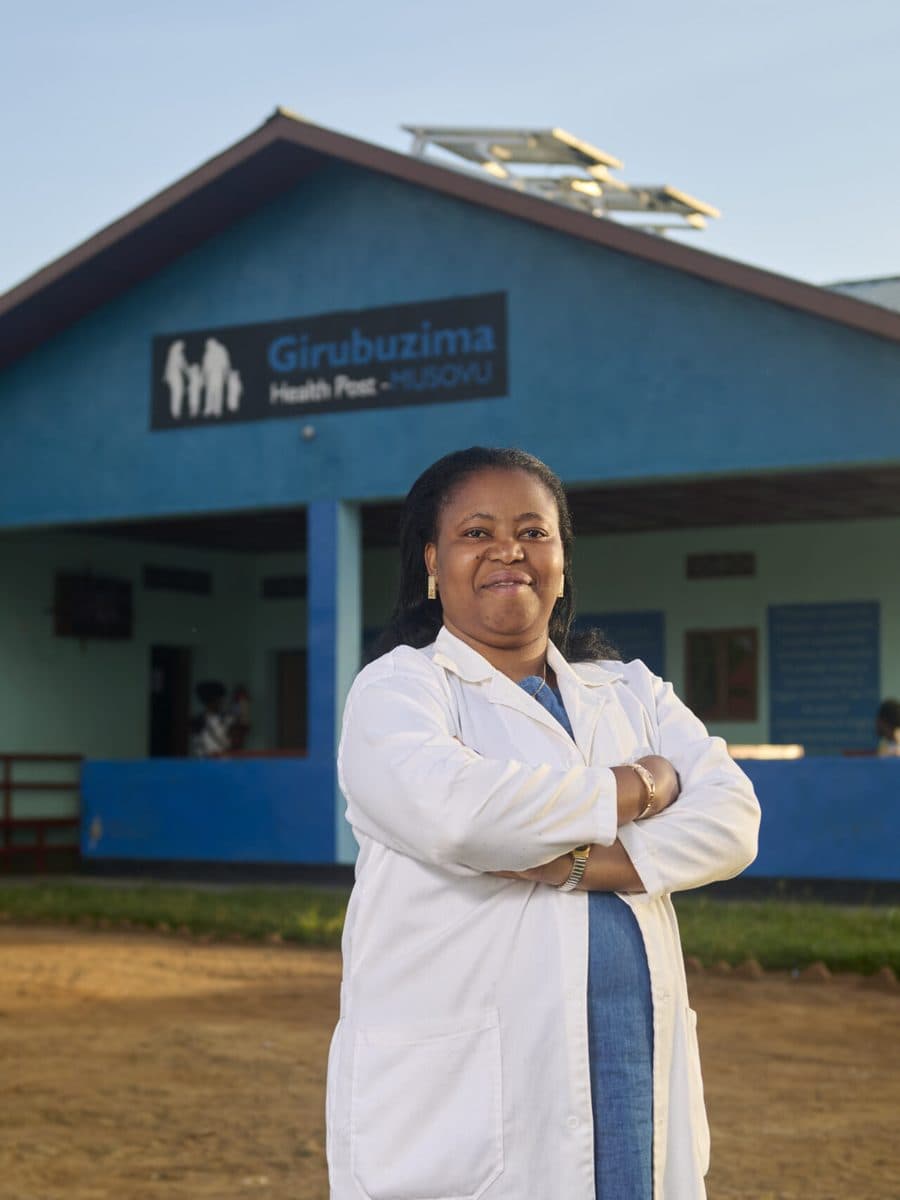
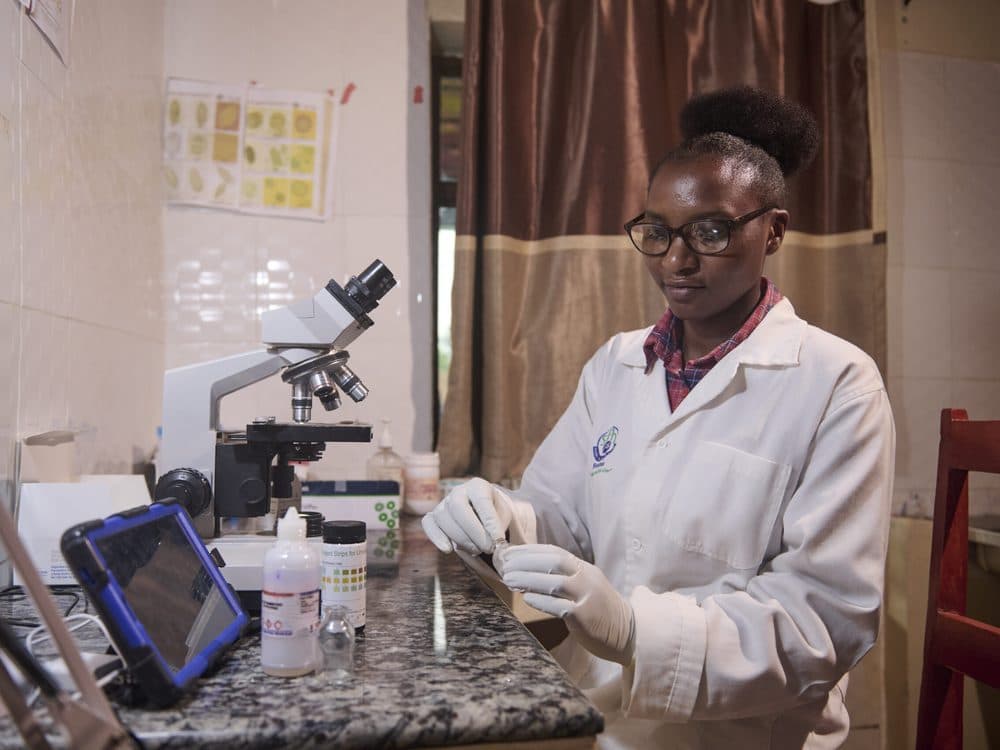
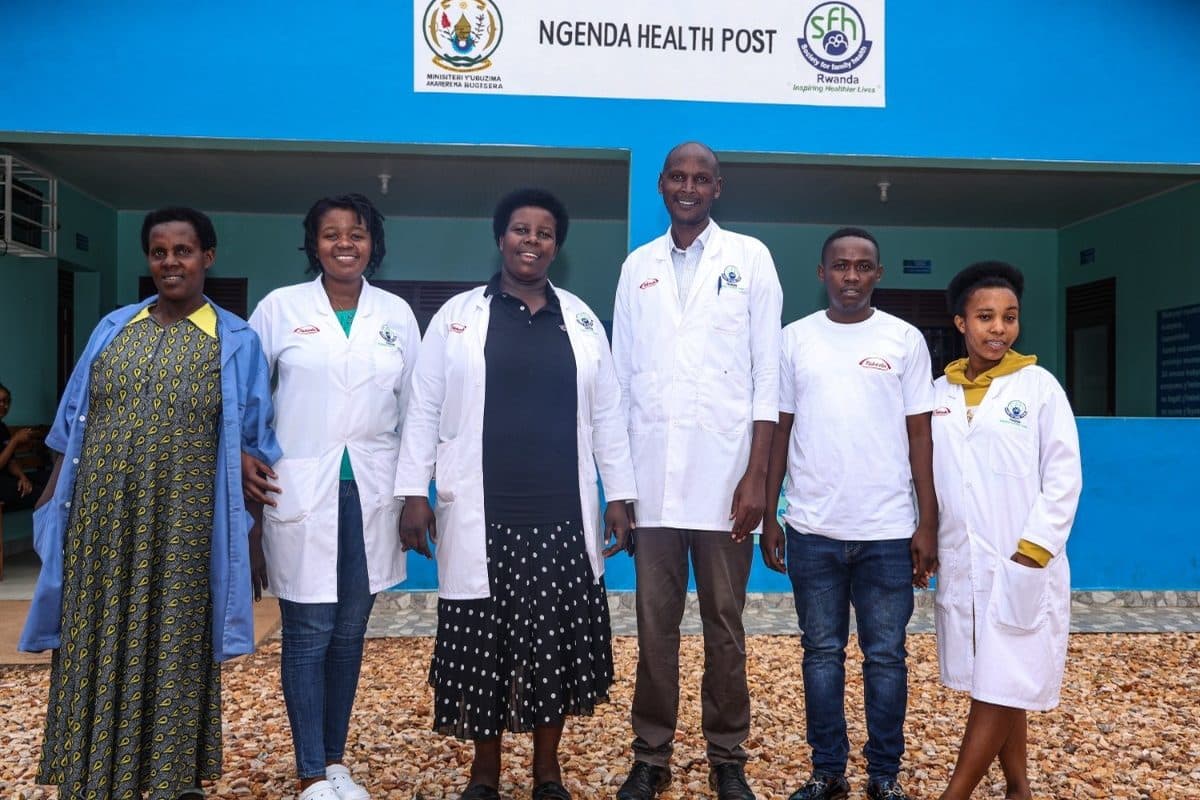
An SFH nurse outside Girubuzima Health Post

The gaps that still cost lives

Despite Rwanda's remarkable gains, the Health Sector Strategic Plan V (2025–2029) identifies critical deficiencies that continue to claim preventable lives:

  • 83% of maternal deaths and 85.9% of neonatal deaths occur in hospitals — pointing to failures in care quality, adherence to clinical protocols, and delayed referrals rather than a lack of facility access alone
  • Obstetric haemorrhage accounts for 45% of maternal deaths, followed by hypertensive disorders (14%) and pregnancy-related infections (13%) — all largely preventable with skilled care and timely intervention
  • Rwanda's healthcare worker density stands at 1 per 1,000 people, well below the WHO-recommended 4.45, compounded by unequal distribution, skills gaps and high attrition
  • Neonatal mortality remains at approximately 17 to 19 deaths per 1,000 live births
  • Teenage pregnancy continues to endanger young mothers and their children, particularly in underserved communities
  • Stillbirth data gaps slow targeted intervention, leaving a significant burden undocumented and unaddressed

Our approach

SFH Rwanda's maternal, child and community health programme does not operate at the margins of Rwanda's health system. It sits within it — alongside government, partners and communities — strengthening what exists, filling what is missing, and building the capacity that ensures change lasts beyond any single intervention.

01

Reaching the community

Care that starts at the village

Our network of supported Community Health Workers brings maternal, child and reproductive health services directly to the village, reaching women who might never make it to a facility without that first trusted point of contact.

  • Maternal and child health follow-up, including antenatal and postnatal home visits
  • Community-based screening and referral for danger signs in pregnancy and early childhood
  • Nutrition screening and education using MUAC Z-score tools for children and adolescents
  • Community-based provision of family planning methods, including short-term contraceptives
  • Adolescent sexual and reproductive health education in schools and communities
  • First-line treatment of malaria, pneumonia and diarrhoea in children under five
  • Support for prevention of mother-to-child transmission of HIV through accredited testing services at health posts
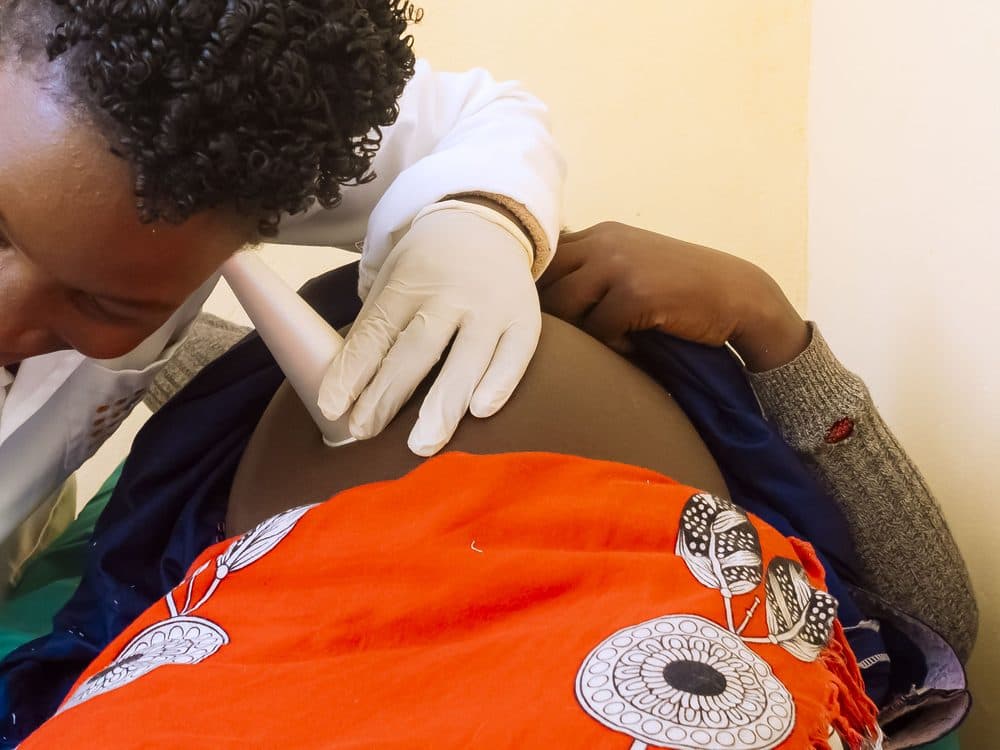
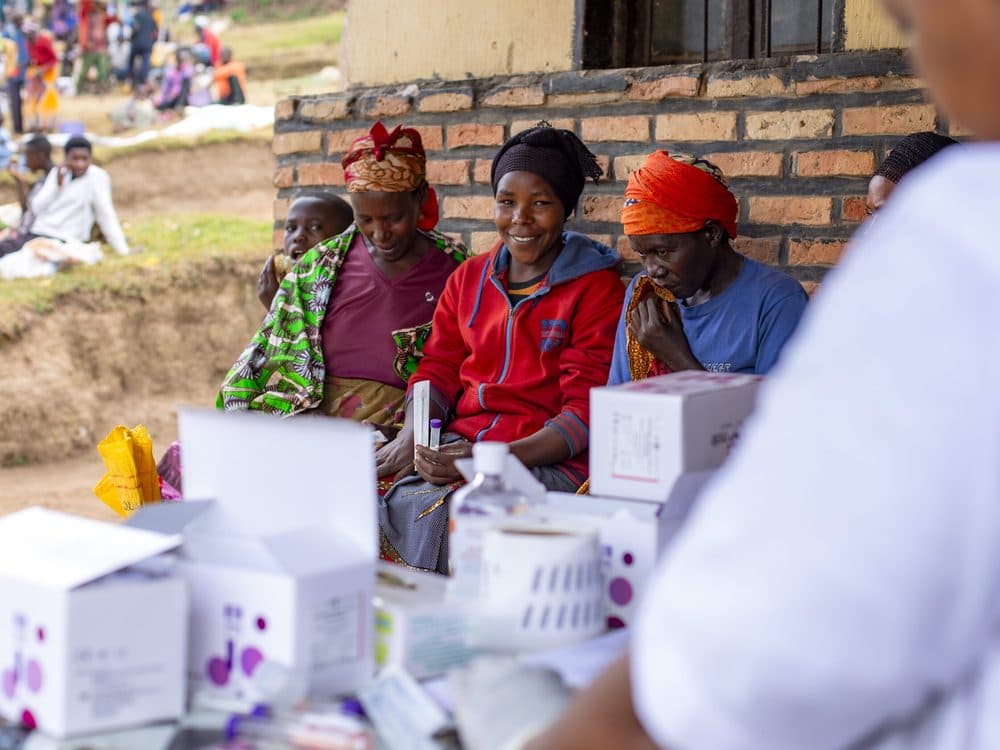
A community health worker conducting a home visit with a mother and young child

02

Strengthening health facilities

Quality care where it matters most

SFH Rwanda strengthens health posts and health centers to function as reliable, high-quality entry points for maternal and child care, particularly in hard-to-reach and underserved areas.

  • Renovation, equipping and staffing of health posts, including second-generation facilities with maternal, dental and eye care
  • Support for Emergency Obstetric and Newborn Care readiness through training, mentorship and supply chain strengthening
  • Scaling up vaccination with solar-powered cold chain infrastructure and CHW-led outreach to reach zero-dose children in every district
  • Accreditation support for HIV testing services, ensuring PMTCT is available and quality-assured at health post level
  • Digital health integration through EMR and CMR systems that replace paper records with real-time patient data
  • Monitoring, death audit programmes and mentorship to address the protocol gaps and delayed referrals that drive hospital-based mortality
A completed Second-Generation Health Post with community members arriving for care

03

Harnessing technology

A foundation, not an add-on

Across our supported health posts we are replacing paper-based systems with integrated digital tools that connect nurses, patients, supervisors and decision-makers in real time.

  • Electronic Medical Records give every patient a digital identity that follows them through the health system, reducing duplication, errors and delays
  • Community Medical Records equip Community Health Workers with digital tools that carry patient data from the village to the health post, including medicine requests
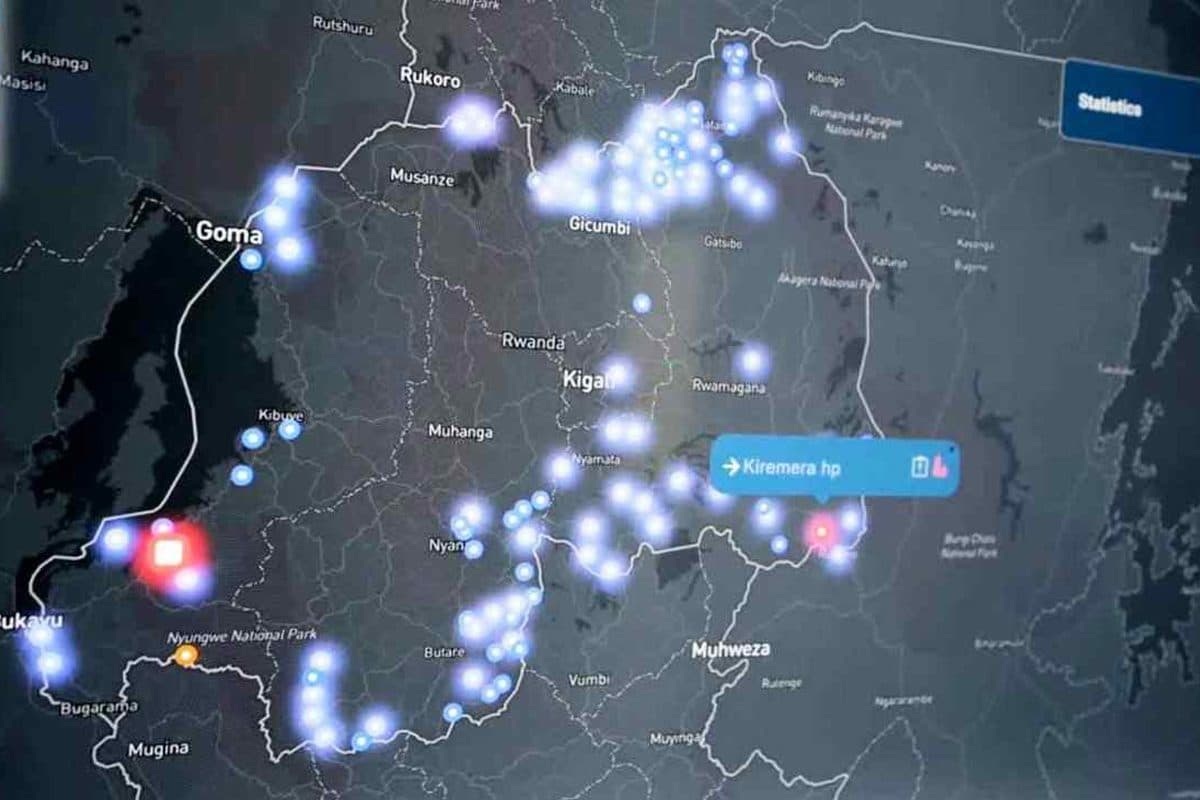
  • The Blue Room, built with SAND Technologies, lets SFH doctors and supervisors track health post performance, respond to nurse requests, and intervene before small problems become crises
  • Youth-facing digital platforms reach adolescents with sexual and reproductive health information through digital channels and school-based programmes
Data saves lives: Inside SFH’s ‘Blue Room’

04

Building systems and partnerships

Aligned with Rwanda's national framework

Our programme is implemented in close partnership with the Rwanda Biomedical Centre, UNFPA, the Ministry of Health and district health teams, aligning every intervention with Rwanda's RMNCAH policy framework, the HSSP V and the NST2.

  • Policy alignment and guideline implementation, including the National Family Planning Guidelines, National Antenatal Care Guidelines and National Neonatal Care Protocol
  • Strengthening the midwifery profession through support for high-quality education, regulation and midwifery-led care models
  • Youth empowerment through the Kura Nawe programme, integrating adolescent health services, comprehensive sexuality education and mental health support within TVET institutions, reaching over 15,000 young people across five schools
  • The Strategic Investment Facility, providing catalytic startup grants to private health posts facing financial challenges — covering medicines, staff salaries, digital infrastructure and capacity building
  • Supporting Rwanda's national campaign, “No woman should die while giving life”, through expanded antenatal care contacts, EmONC strengthening and community mobilization
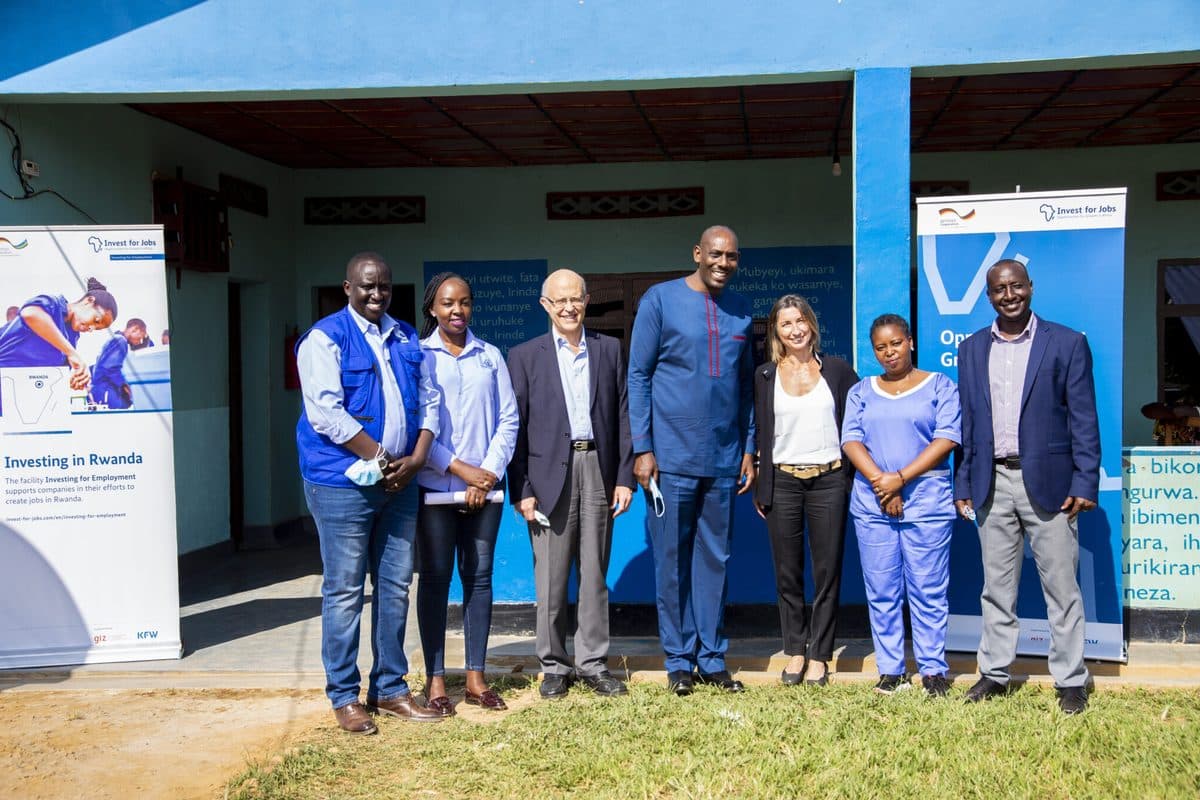
SFH Rwanda staff and partners at a health post launch

Explore our work

  • A Young Family's Story of Prevention, Protection, and Peace of Mind

    SFH Rwanda | Stories

    Read the story
  • When the Nurse Comes to School — How the Kura Nawe Programme Is Bringing Integrated Health Services to Rwanda's Young People

    SFH Rwanda | UNFPA partnership

    Coming soon
  • Closer to Communities, Closer to Change — Field Visit Report, Kirehe District

    SFH Rwanda Communications Team | August 2026

    Coming soon
  • No Woman Should Die While Giving Life — Rwanda's Progress and the Road Ahead

    UNFPA Rwanda | SFH Rwanda

    Coming soon
  • The Strategic Investment Facility — What Catalytic Funding Can Do for a Nurse Entrepreneur

    SFH Rwanda | UNFPA Rwanda

    Coming soon

From the community

In her own words

A mother who once gave birth on her way to a hospital hours away now has a health post a few minutes from her home. Her story, and the stories of thousands like her, have changed completely.
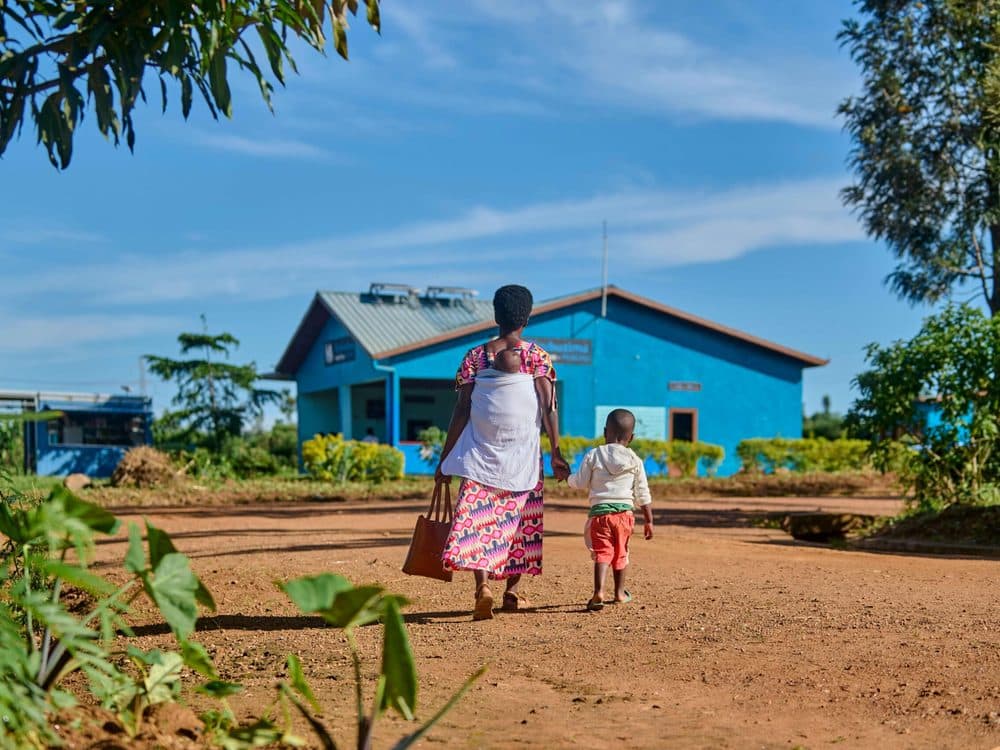
A mother walking with her children in her community

Sources: HSSP V 2025–2029 | NST2 2024–2029 | UNFPA Maternal Mortality Estimates 2000–2023 | Rwanda Demographic and Health Survey 2025