What We Do
Non-Communicable Disease Prevention & Management
Chronic disease is rising in Rwanda. We are helping communities take control of their health before it takes control of them.
The challenge
Many people in Rwanda do not yet understand the root causes of the conditions they live with — and some of those conditions cannot be cured, only managed. Diabetes, hypertension and cancers are rising alongside changes in diet, physical activity and age structure, and they place a long and expensive burden on households as well as on the health system.
Because chronic conditions develop quietly, the first contact with the health system is often late — after damage has already been done. Closing that gap means moving screening out of hospitals and into the communities where people live, and pairing it with the education that makes prevention possible.
Our approach
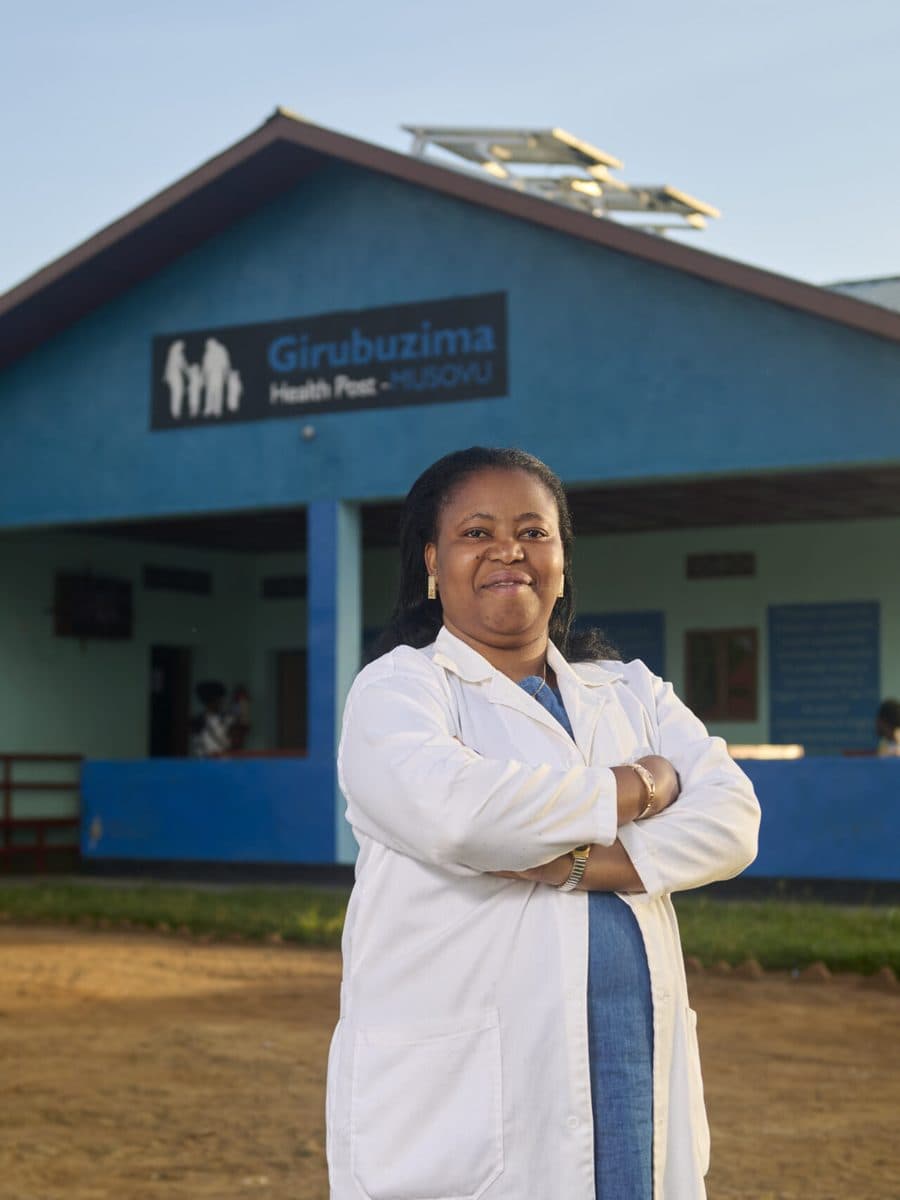
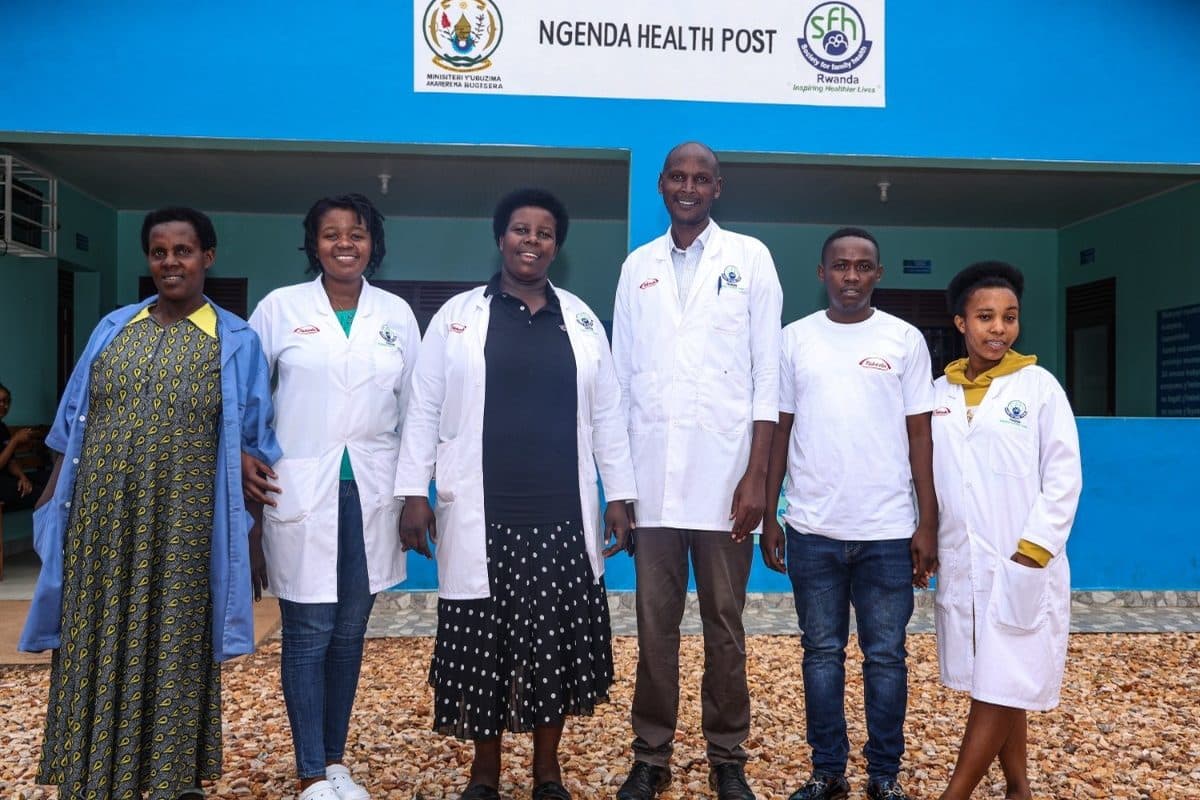
Our non-communicable disease work sits inside the primary healthcare network we already support, so screening and follow-up happen at the health post a patient can walk to.
Community-based screening and management
Finding conditions before they become emergencies
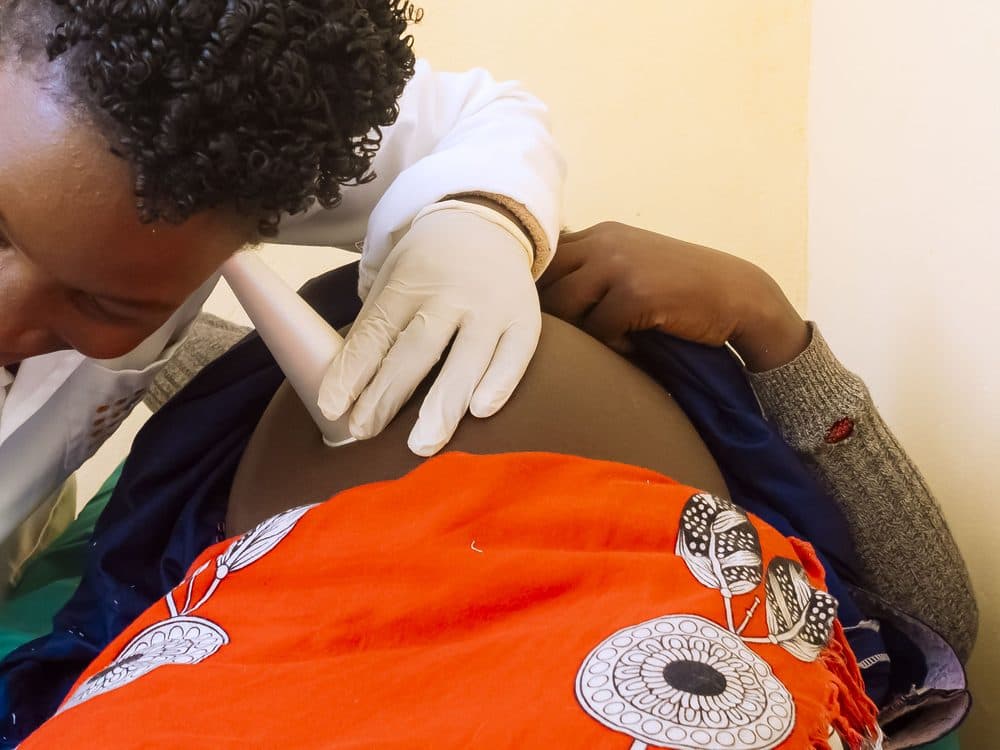
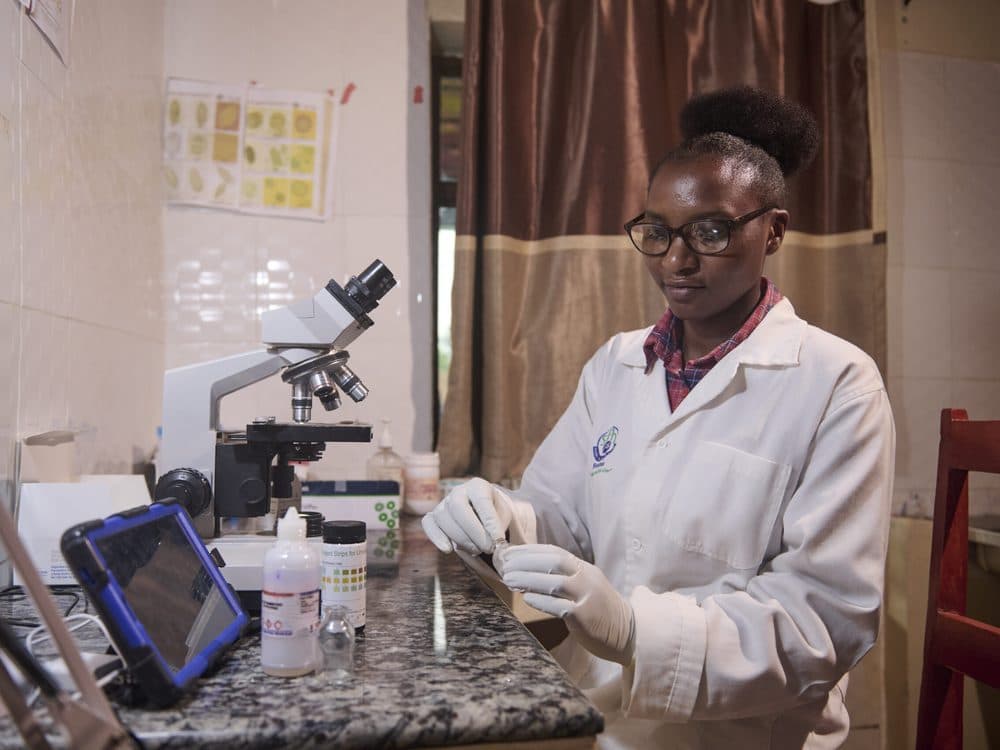
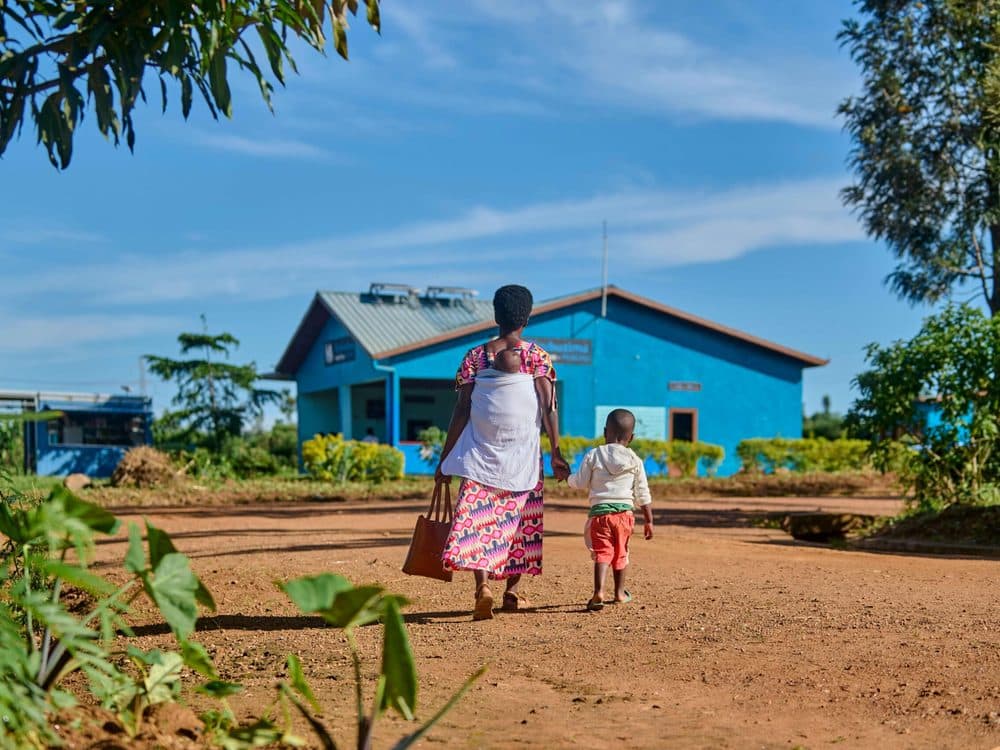
We expand community-based screening and management for diabetes, hypertension and other chronic conditions at health post level, so that diagnosis does not depend on reaching a district hospital.
Promoting healthy lifestyles
Prevention through behaviour change
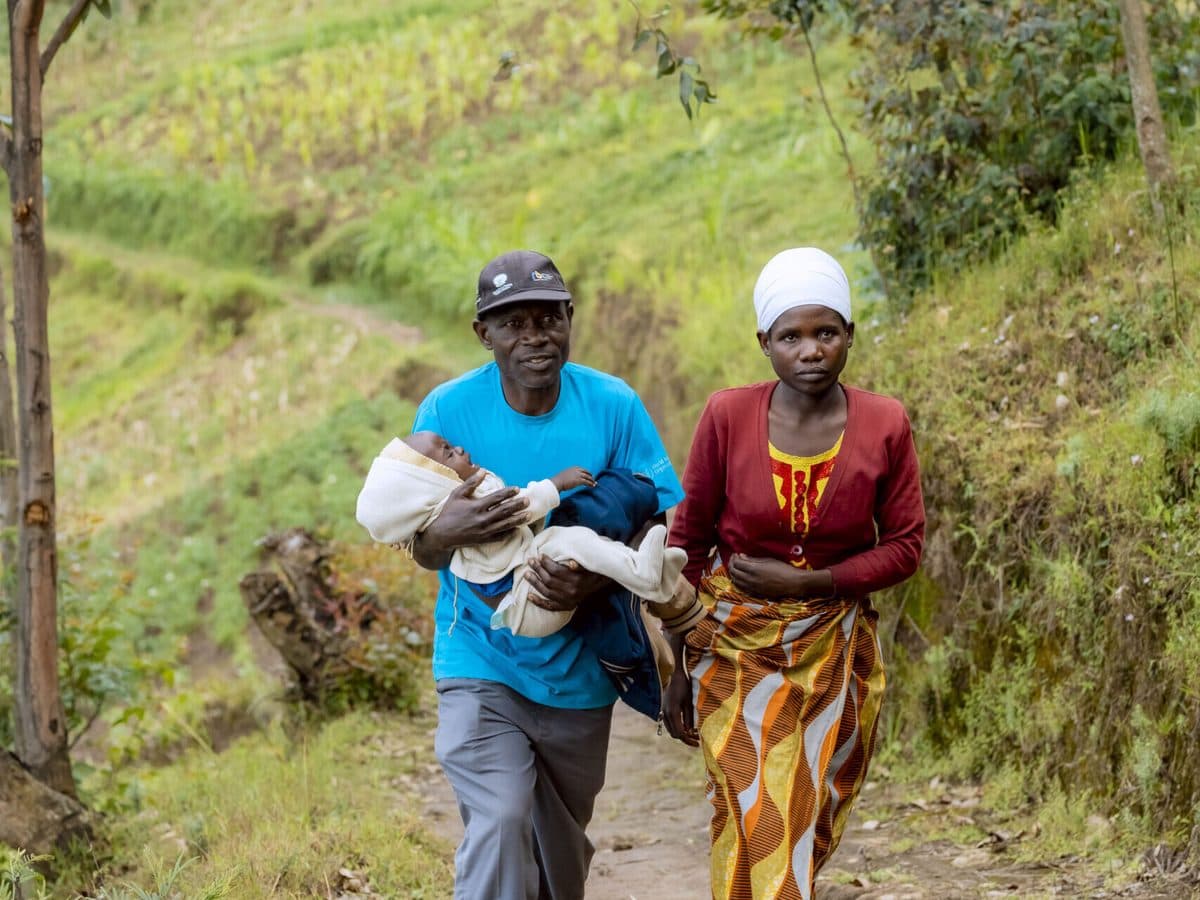
Behaviour change campaigns and community education promote the diet, physical activity and early care-seeking habits that prevent chronic disease from developing in the first place.
Early detection of cervical and breast cancer
Awareness that leads to screening
We raise awareness and promote early detection of cervical and breast cancer, feeding directly into the end-to-end cancer programme that provides screening, triage and treatment.
Supporting services at health facilities
Screening, prevention and treatment where people already go
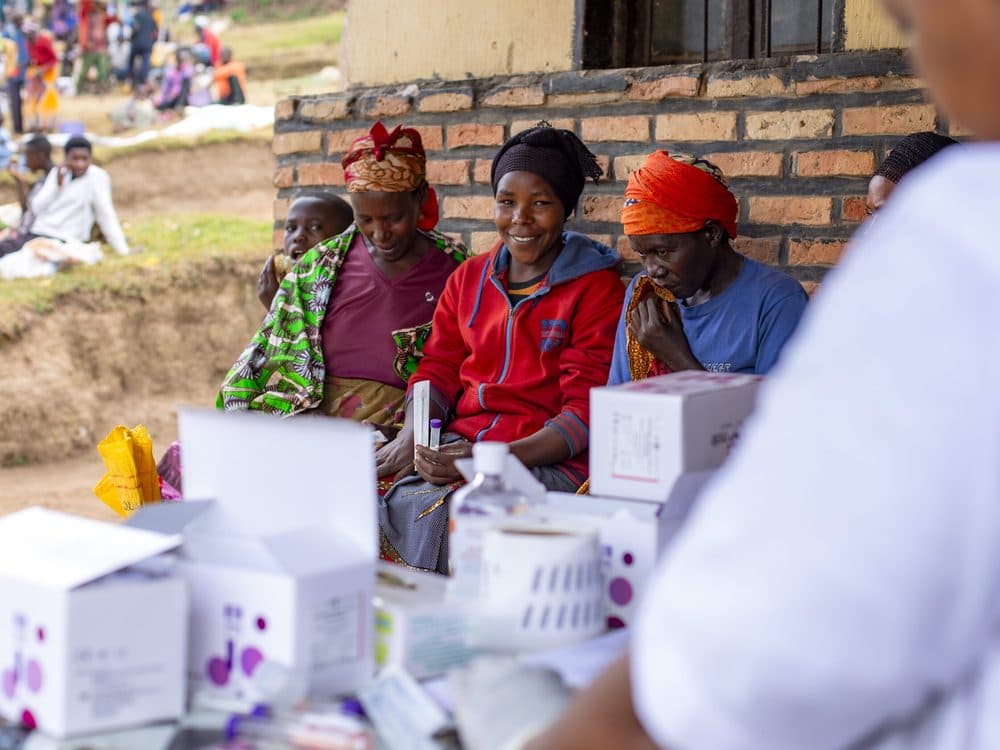
We support screening, prevention and treatment services at health facilities, so that a diagnosis is followed by continuing care rather than a referral that never happens.