Skip to content
When Health meets Enterprise

What We Do

The Nurse Entrepreneurship Model

A health post is only as sustainable as the person running it.

  • 316

    SFH-supported health posts operating across Rwanda

  • 5M+

    People served through the health post network

  • 1,222

    Health posts nationally in 2021, up from 670 in 2018

  • 2,148

    Cells Rwanda aims to cover with a primary care facility

The challenge

The gap between policy and reality

Rwanda has made extraordinary progress toward Universal Health Coverage — expanding health insurance to over 90% of the population, building a network of more than 45,000 Community Health Workers, and driving down maternal and child mortality. At policy level, the creation of health posts at cell level represents one of Rwanda's most significant primary healthcare reforms.

Yet for years the growth of health posts outpaced their functionality. The number grew from 670 in 2018 to 1,222 in 2021, with the projection that every one of Rwanda's 2,148 cells will eventually have a primary healthcare facility. But building a health post is only the beginning. The harder question — the one that determines whether it truly changes lives — is who runs it, how it stays open, and whether it can deliver quality care consistently without depending entirely on donor funding or government subsidy.

What happens when care is too far away

In Rwanda's rural communities, distance to the nearest facility has historically determined outcomes that should never depend on geography. Before health posts reached many of these communities, people died at home from treatable conditions. Mothers in labour walked for hours, or gave birth on the way. Children with fever spent nights in danger because there was no nurse nearby.

The structural challenge

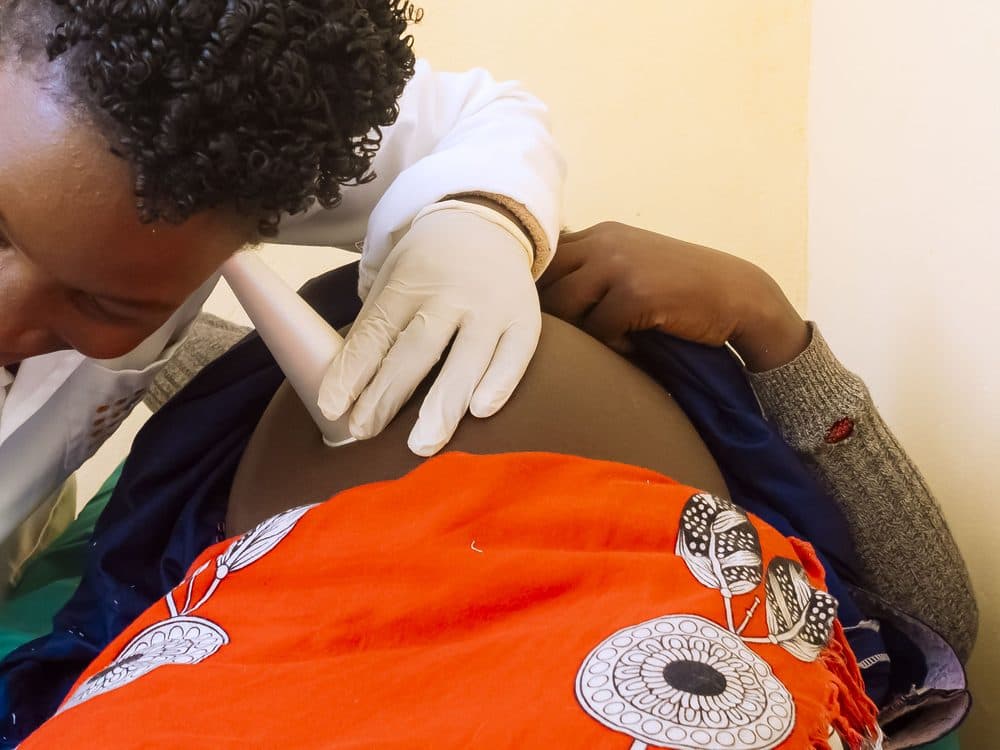
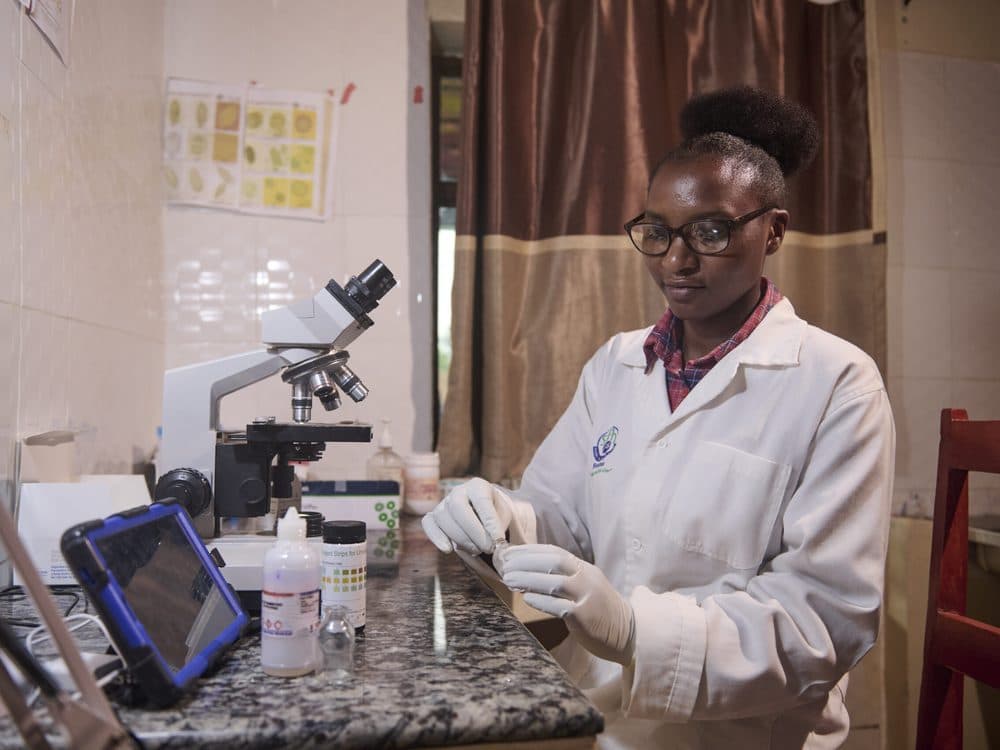
Health posts are the lowest level of Rwanda's healthcare system, the link between Community Health Workers and health centers. They provide curative outpatient care, growth monitoring, antenatal care, family planning counselling, health education and basic laboratory services. Second-generation posts go further, offering prenatal consultations and deliveries, microscopic laboratory investigations, and dental and ophthalmology care.

But without sustainable financing, qualified management, entrepreneurial leadership and structured support, health posts risk becoming facilities that exist on paper and underperform in practice — inadequately stocked, understaffed, and unable to retain the nurses who are essential to their function.

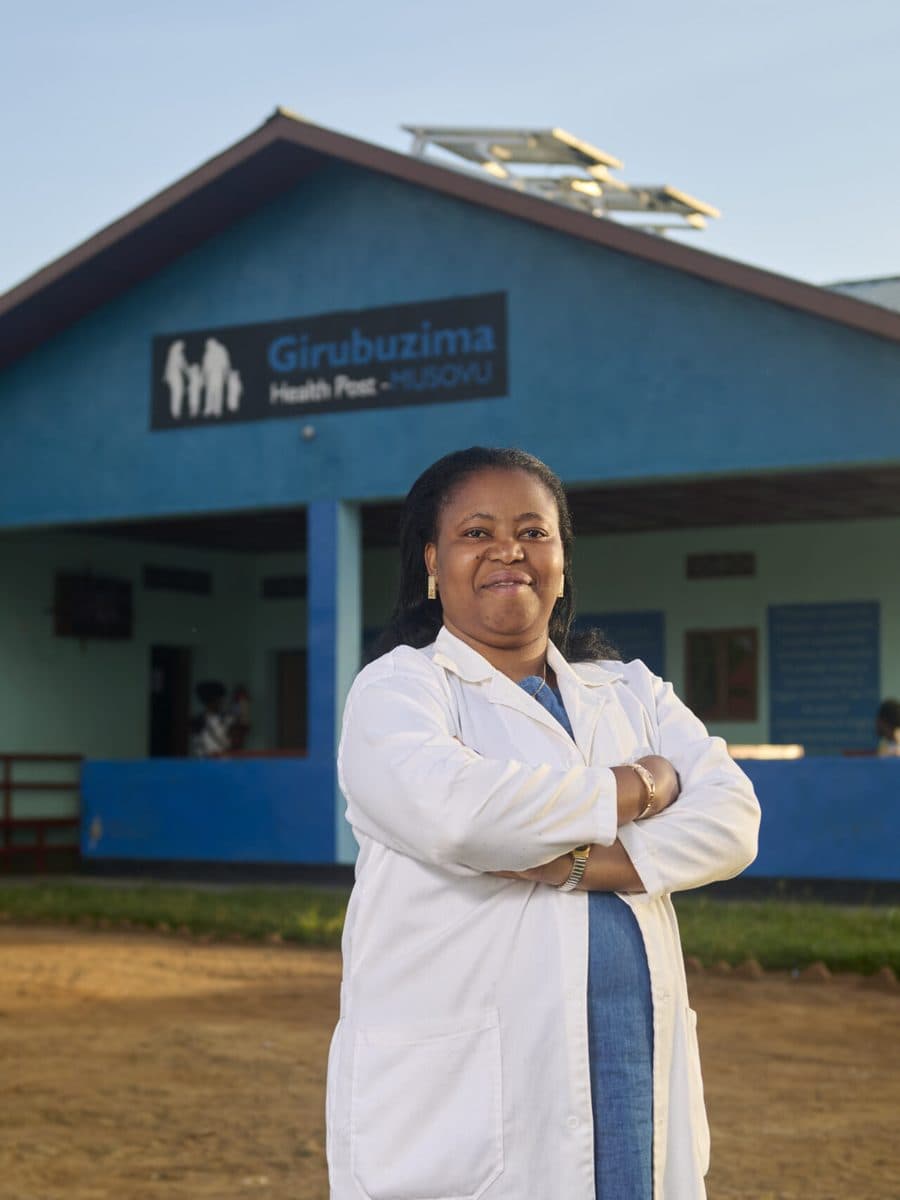
An SFH nurse outside Girubuzima Health Post

Our approach

The Nurse Entrepreneurship Model is a locally driven response to this structural challenge. At its core it is a Public–Private–Community Partnership: the public sector provides leadership and integration, nurse entrepreneurs own and operate health posts as social enterprises, and community members use, protect and sustain these facilities as their own.

01

Selecting and empowering the right nurses

Clinical competence and entrepreneurial potential

The model begins with selecting nurses who have both the clinical competence and the entrepreneurial potential to lead a health post as a sustainable enterprise, then investing heavily in developing them — not just as healthcare providers, but as business leaders and community anchors.

  • Clinical training in maternal health, infection control, child health, family planning and the full scope of health post services
  • Entrepreneurial and managerial training covering financial management, staff management, record keeping, budgeting and patient experience
  • Leadership development — the confidence, communication skills and community relationships needed to lead with authority
  • Mentorship and ongoing support, pairing nurse entrepreneurs with experienced supervisors and SFH programme staff
Running a health post requires more than clinical knowledge. You must know how to manage staff, keep records, and budget — just like any other business. But at the end of the day, it is about people. Seeing a mother and baby leave healthy makes it all worth it.
Marie Louise Uwimana, Head Nurse, Ngenda Health Post
When Health meets Enterprise

02

Catalytic startup support

The investment that makes independence possible

Beyond training, nurse entrepreneurs receive the startup support they need to open and operate from day one, without the financial burden that would otherwise make quality service delivery impossible in the early months.

  • Equipment procurement, so posts are stocked with the clinical tools required from the moment they open
  • Medicine and supply stocking aligned with the Ministry of Health's approved formulary for health post level
  • Operational cost coverage for salaries and running costs during the early months, giving nurses the runway to build a patient base
  • IT infrastructure and digital health systems — EMR and CMR integrated from the start, connecting each post to the Blue Room
  • Business development coaching on pricing, patient retention and community engagement
We invest heavily in training — both clinical and managerial — so nurses can run these facilities as viable enterprises. That way, when donor funding ends, the services continue. Sustainability is built in from the start.
Imelda Umuhuza, Senior Programs Design and Business Development Director, SFH Rwanda
A completed Second-Generation Health Post with community members arriving for care

03

The Public–Private–Community Partnership

Three partners. One shared goal.

The Ministry of Health provides the policy framework, regulatory standards and national priorities. Local government provides community accountability, land and infrastructure support, and the political will that makes community buy-in possible.

Nurse entrepreneurs are the beating heart of the model. They own their health posts as social enterprises, responsible for clinical quality, staff management, financial sustainability and community trust.

Community members are not passive recipients. They use the health post, advocate for it among their neighbours, protect the facility and its staff, and hold the nurse entrepreneur accountable to the standard of care they deserve.

This model has transformed the health system. It ensures that health services are not just accessible but sustainable. Communities are engaged, nurses are empowered, and the government's health priorities are realized at the grassroots.
Manasseh Gihana Wandera, Executive Director, SFH Rwanda
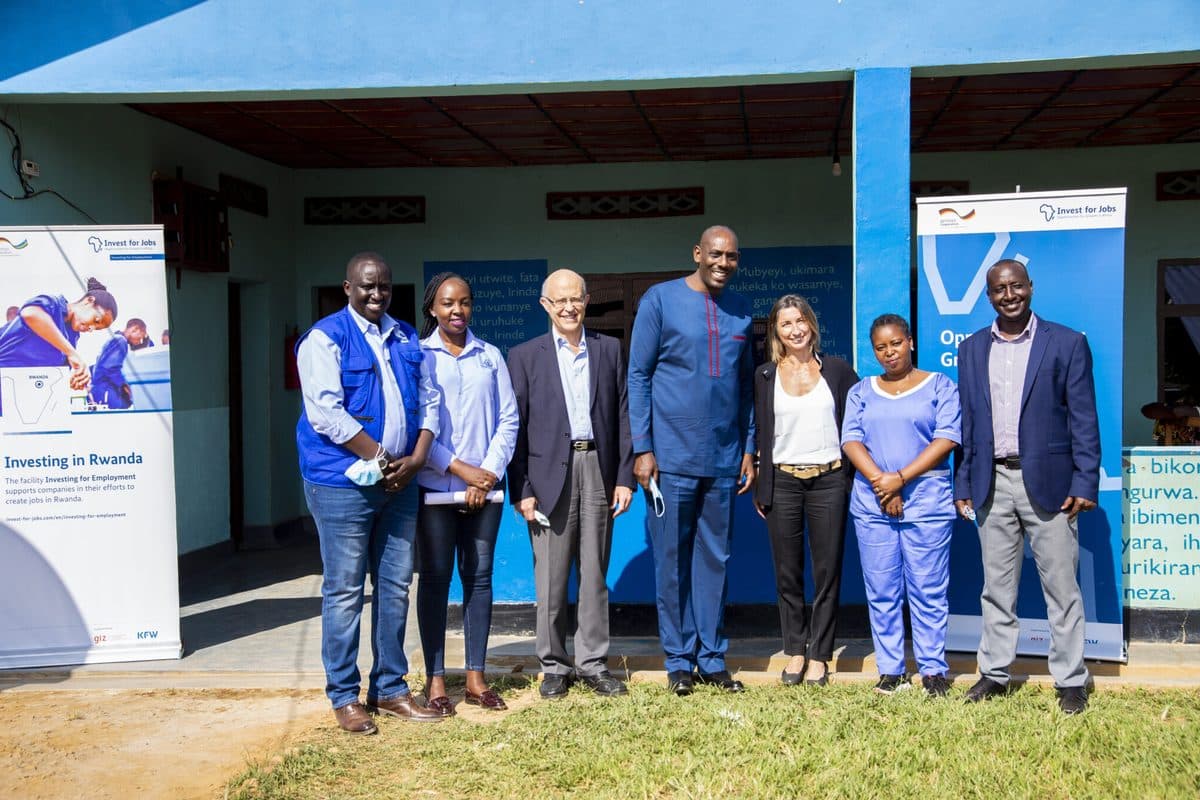
SFH Rwanda staff and partners at a health post launch

04

Monitoring, quality assurance & scale

We do not open health posts and walk away

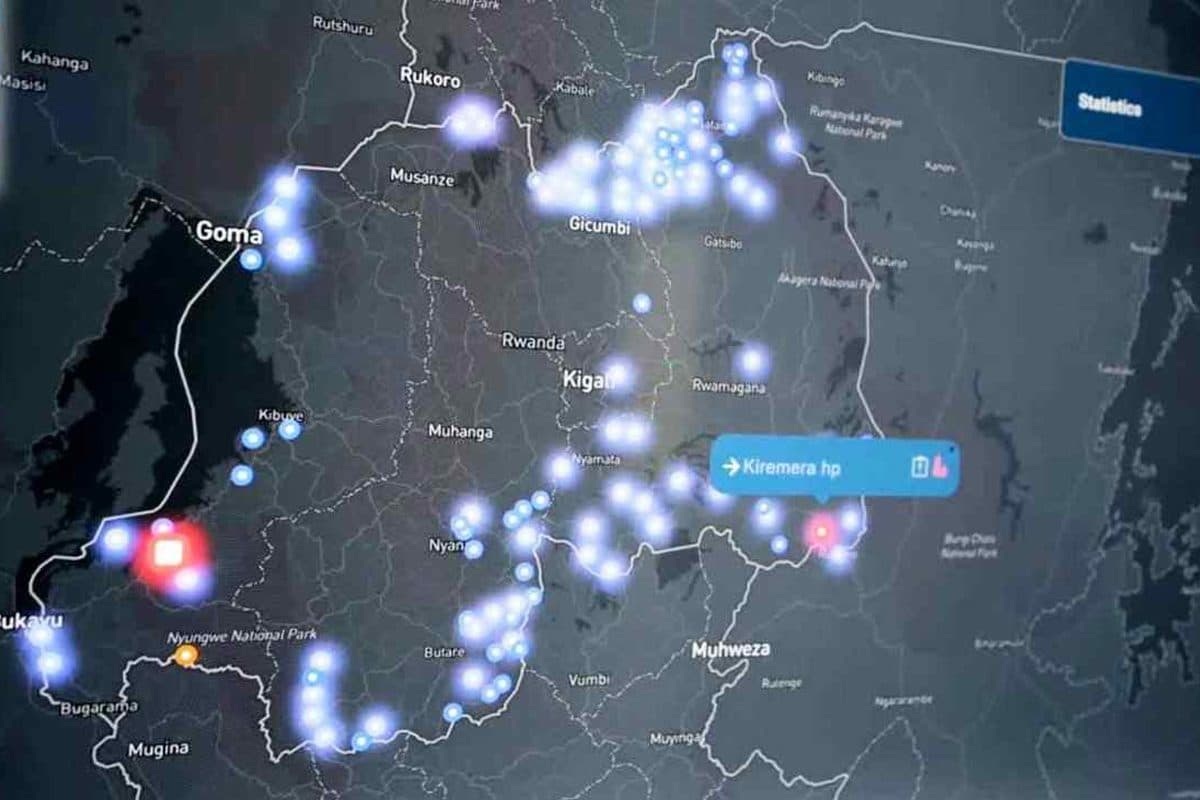
  • The Blue Room, built with SAND Technologies, where SFH doctors and supervisors track performance, respond to nurse requests, and intervene before small problems become crises
  • Regular mentorship and supportive supervision visits assessing clinical quality, operational performance and community engagement
  • Performance data tracking through EMR and CMR — patient volumes, service quality, medicine stock levels and financial sustainability across the whole network in real time
  • Peer learning networks connecting nurse entrepreneurs to share challenges, solutions and innovations
Data saves lives: Inside SFH’s ‘Blue Room’

Our impact

What our work has achieved

IndicatorAchievement
Health posts operational316 SFH-supported health posts serving communities across Rwanda
Population reachedMore than 5 million people served through the health post network
Health post growth in RwandaFrom 670 health posts nationally in 2018 to 1,222 in 2021, with SFH Rwanda contributing significantly
Geographic reachHealth posts across Rwanda and South Sudan, reaching some of the most underserved areas
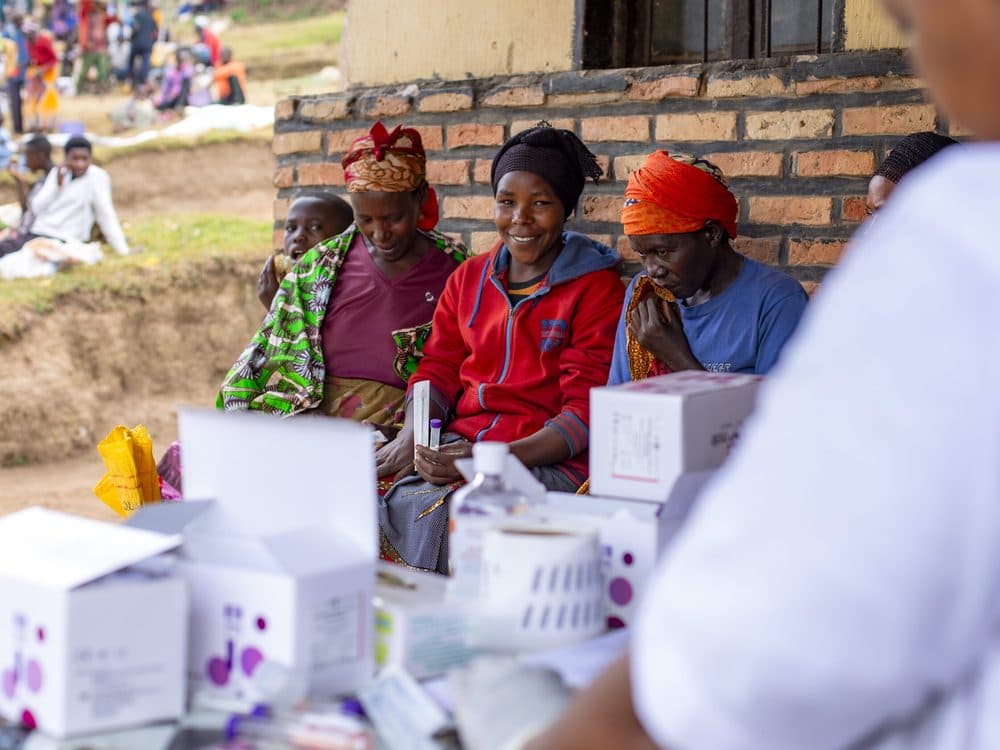
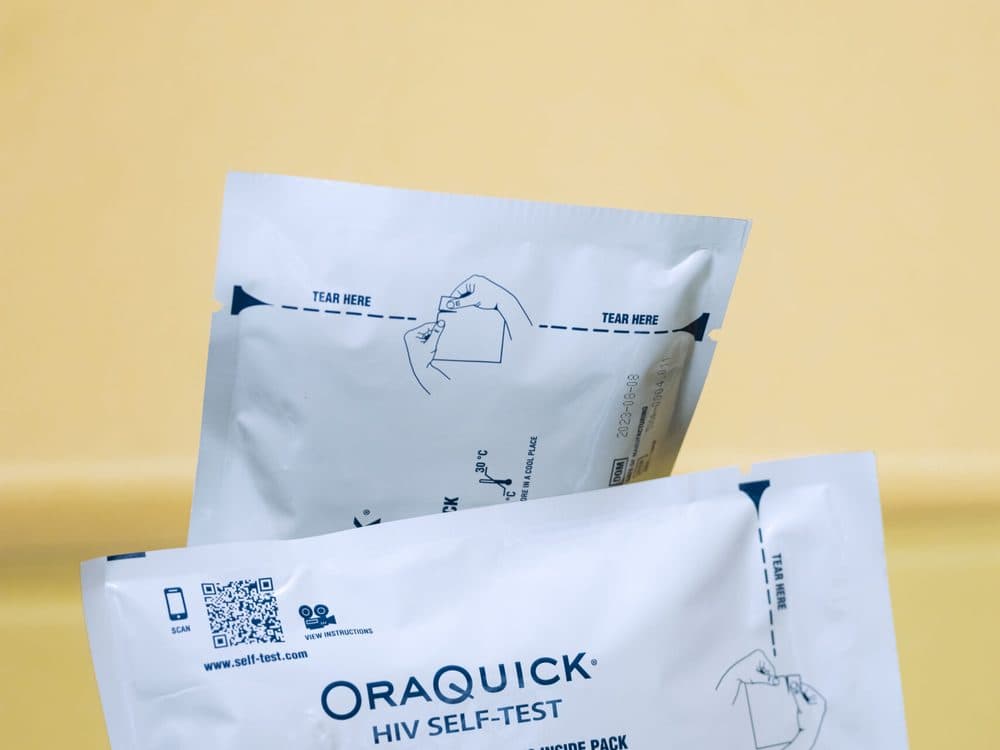
Services deliveredMaternal care, dental care, eye care, family planning, child health, vaccination, HIV testing, malaria diagnosis and treatment
Catalytic grantsStartup grants to private health posts through the Strategic Investment Facility — medicines, salaries, digital infrastructure and capacity building
Model recognitionRecognized as a replicable, scalable approach to sustainable primary healthcare in Rwanda and beyond

Going forward

Our commitment

We are committed to scaling this model until every Rwandan cell has access to a functional, sustainable, community-owned health post. Going forward this work will:

  1. 1.

    Expand the health post network in underserved areas, focusing on hard-to-reach and rural communities

  2. 2.

    Scale second-generation health posts so communities do not travel to district hospitals for services that can safely be delivered closer to home

  3. 3.

    Deepen digital integration through EMR, CMR and Blue Room connectivity, so no patient falls through the cracks

  4. 4.

    Strengthen the entrepreneurial foundation, investing continuously in business development skills so health posts become increasingly self-sufficient

  5. 5.

    Extend the model beyond Rwanda, building on our experience in South Sudan

We want every Rwandan to have access to quality care delivered by empowered professionals who live within their communities. This is how we build a health system that lasts.
Manasseh Gihana Wandera, Executive Director, SFH Rwanda

Explore our work

From the community

Marie's story — from the road to the health post

Marie Musabyimana once gave birth on her way to a hospital two hours away. Today, with a health post at Batima minutes from her home, her story — and the stories of thousands like her — has changed completely.

Before, people died at home because the hospital was too far. Now, we have care right here. Mothers in labour, children at night — they can all be treated immediately.
Innocent Rwagatore, community leader, Ngenda
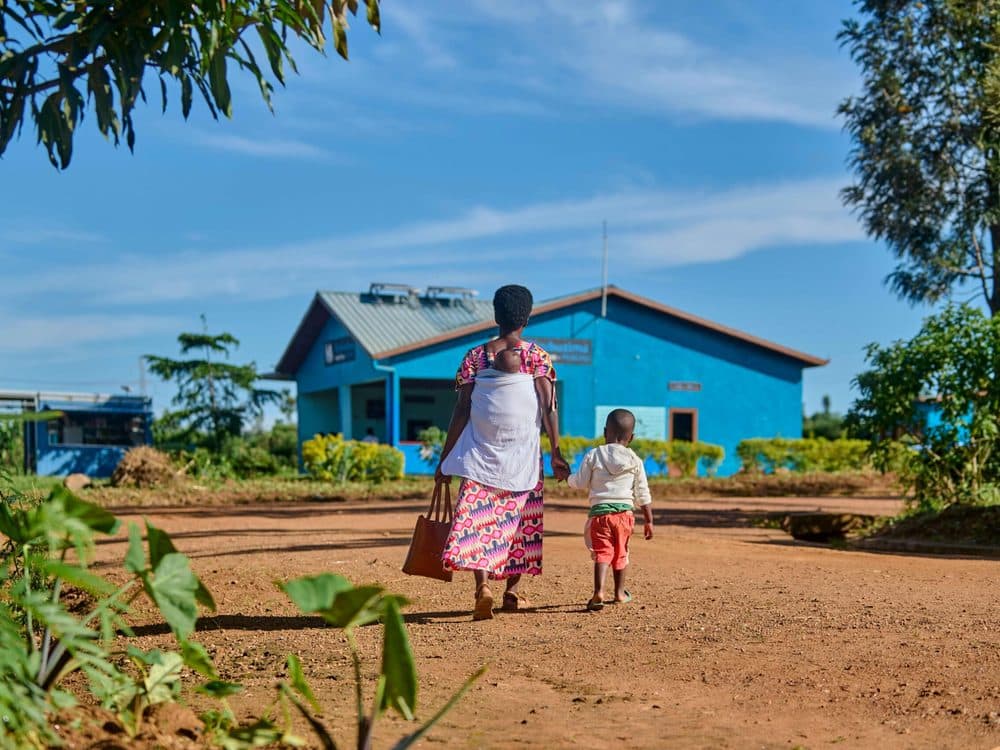
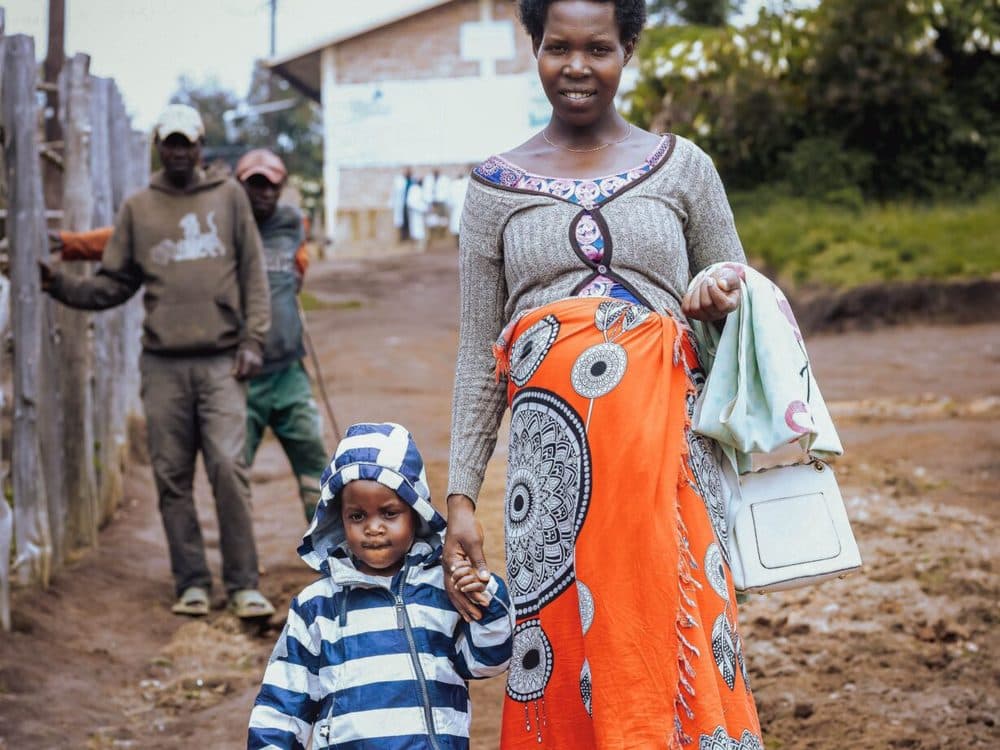
A mother walking with her children in her community