Skip to content
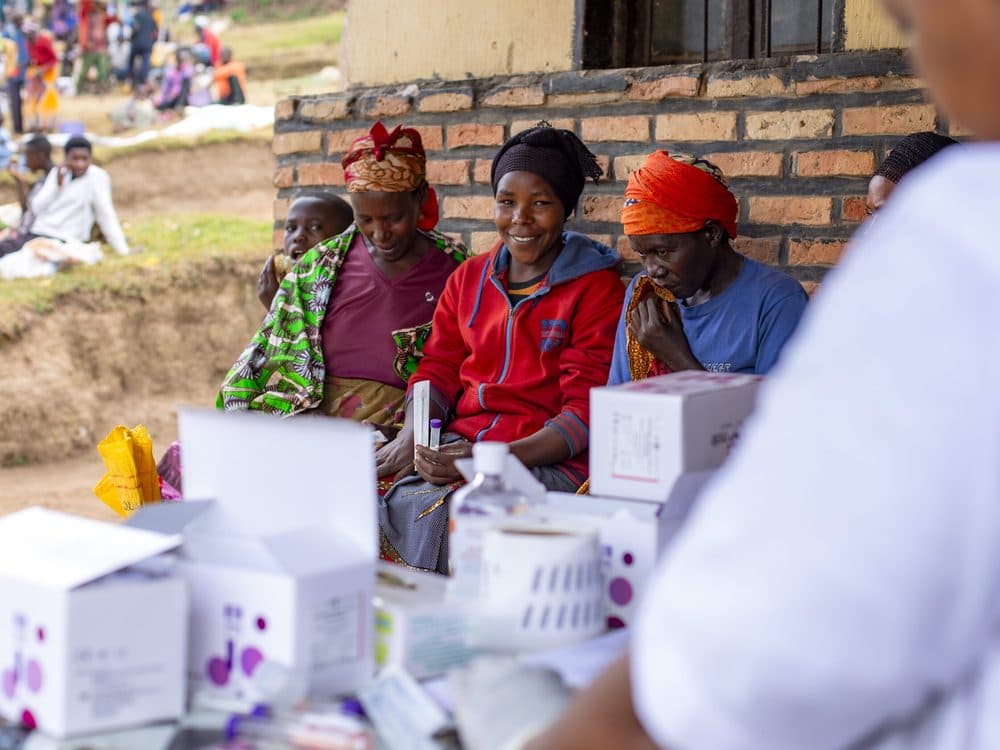
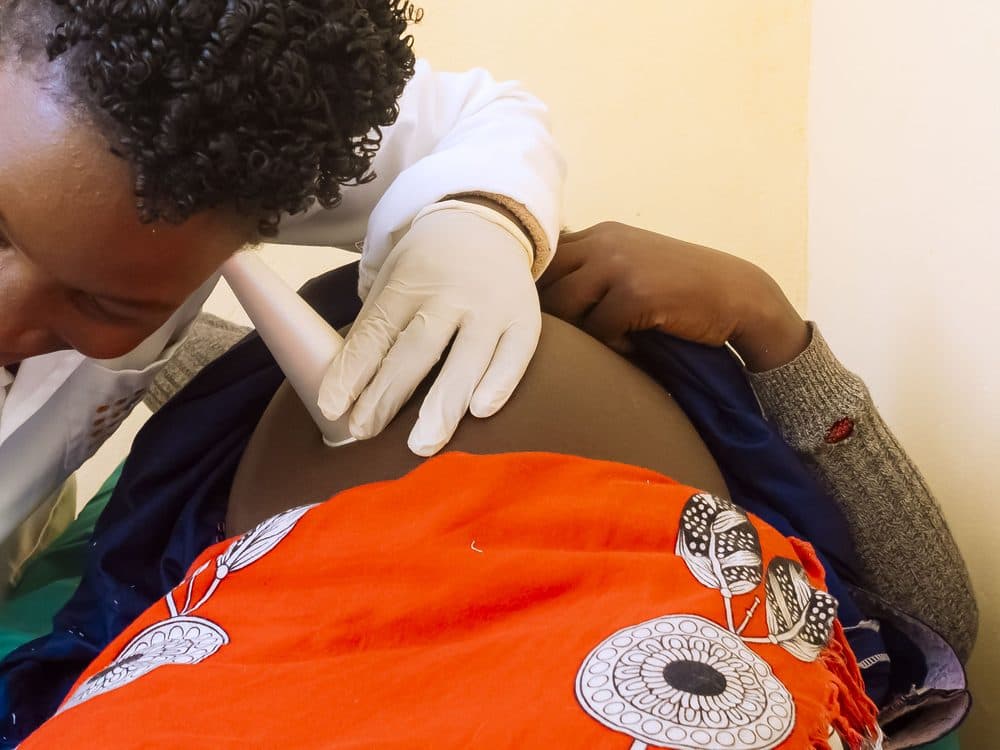
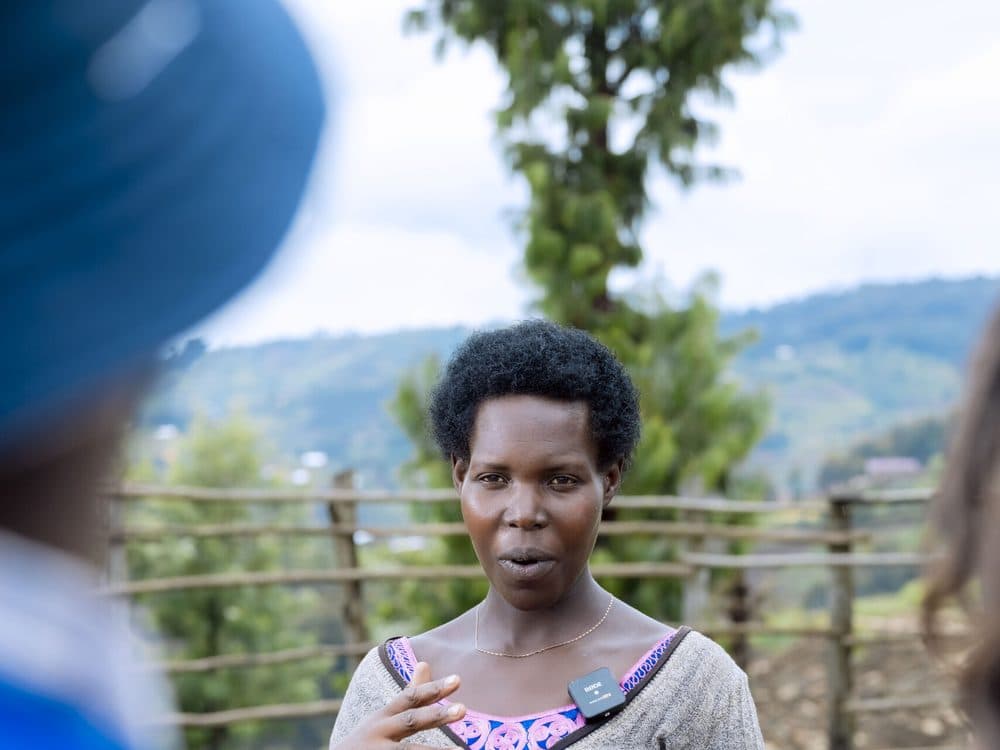
A woman attending a cervical cancer screening campaign

What We Do

End-to-End Cervical & Breast Cancer Care

Early detection saves lives. A small symptom, caught in time, can be turned into nothing.

  • 243,610

    Women screened for HPV across seven districts

  • 92%

    National HPV vaccination rate since 2011

  • 7

    Districts reached by mass screening campaigns

  • Same day

    Screen, triage and treat at health-centre level

The challenge

The global picture

Cervical cancer remains one of the most preventable yet deadly cancers affecting women worldwide, particularly in Sub-Saharan Africa. In 2020 alone, over 110,000 new cases were reported across the continent. Despite proven, affordable and effective tools for prevention, screening and treatment, millions of women — especially in rural and underserved communities — never access them.

In 2020 the World Health Assembly adopted the Global Strategy for Cervical Cancer Elimination, calling for 90% of girls to be vaccinated against HPV, 70% of women to be screened by age 35 and again by 45, and 90% of those with cervical disease to receive treatment. Reaching these targets requires a shift from disease-centred to woman-centred care.

The Rwanda context

Rwanda has been a frontrunner in responding to the global call. Since 2011 the country has implemented a national HPV vaccination programme achieving a 92% vaccination rate, making cervical cancer elimination a genuine national goal. The Ministry of Health now focuses on screening and treating women aged 30–49 in the general population, and aged 25–49 among women living with HIV.

Yet significant gaps remain. Most women who develop cervical or breast cancer do so silently — without symptoms, without knowledge, and without access to the screening that would catch the disease before it becomes life-threatening. Reaching them requires going beyond health facilities, into communities, households and the spaces where women actually live.

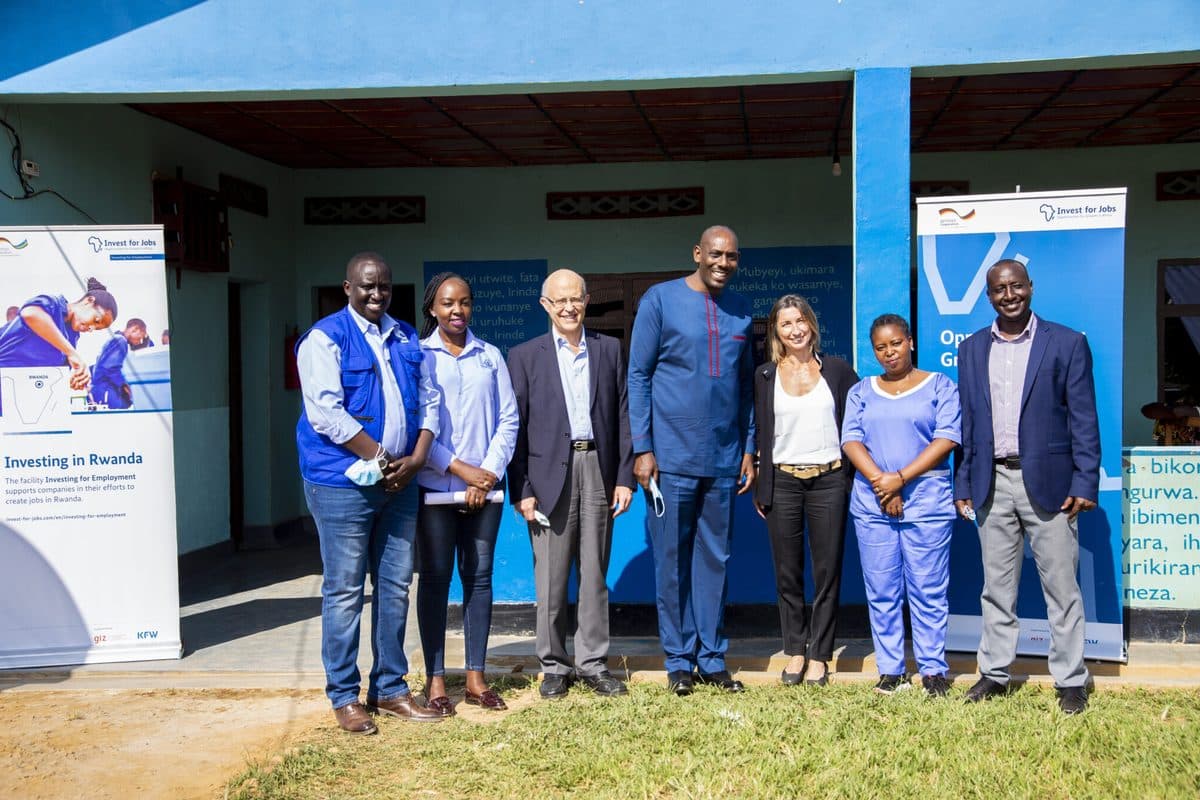
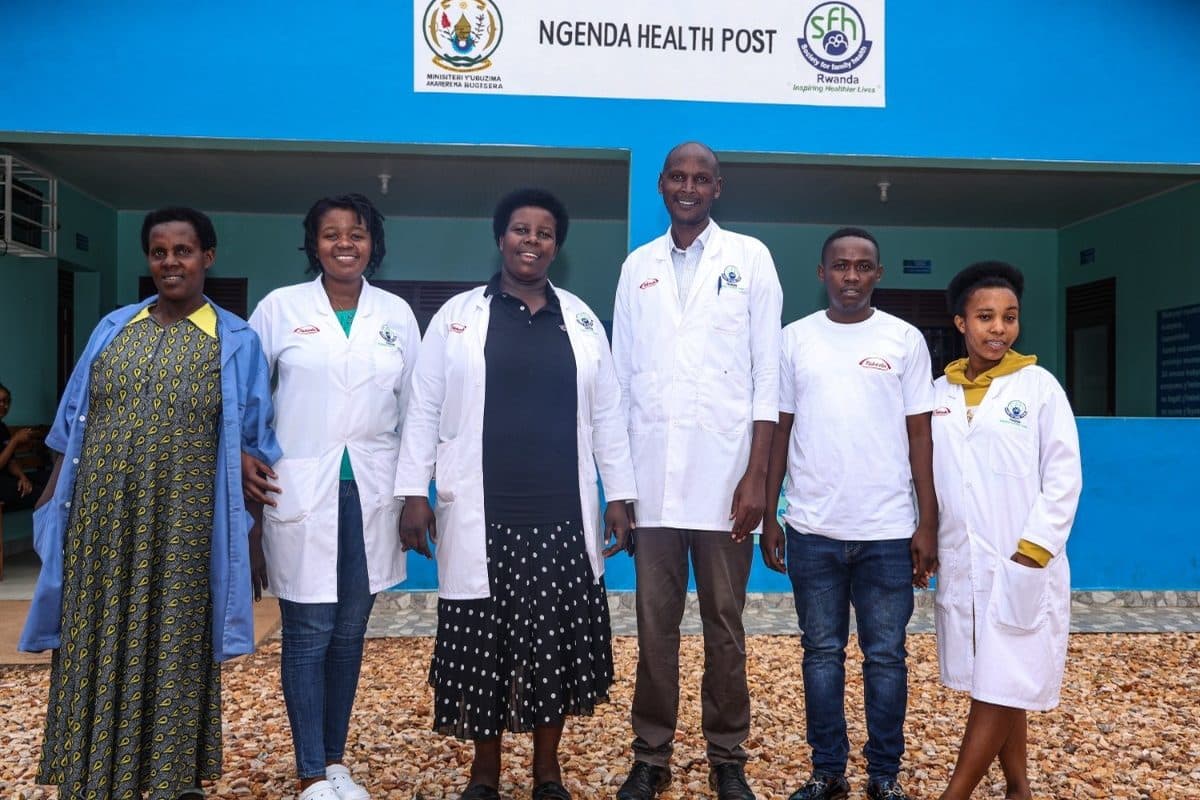
Community members gathered at an SFH-supported health post

The gaps that still cost lives

  • Many eligible women, particularly in rural and hard-to-reach areas, have never been screened for HPV or cervical cancer despite being at high risk
  • Cultural and religious barriers, widespread misinformation and fear of screening procedures keep many women from seeking early detection
  • Limited provider capacity at lower facility levels has historically restricted screening and treatment to district hospitals, creating bottlenecks, long waits and loss to follow-up
  • Breast cancer remains significantly under-detected, with most cases identified only at advanced stages when treatment options are fewer
  • Poor infrastructure, long distances and competing family and economic responsibilities make it difficult for rural women to complete the full screening and treatment pathway

Our approach

SFH Rwanda's programme follows the WHO-recommended “screen, triage and treat” approach, bringing the full continuum of cancer prevention, early detection and treatment as close to women as possible — using innovative technology, trained community health workers, and powerful behaviour change communication.

01

Reaching women where they are

Awareness and mobilization that leaves no woman behind

Our behaviour change communication team works hand in hand with Community Health Workers, local leaders and health facility staff so that every eligible woman is reached with accurate information and actively mobilized for screening.

  • Training Community Health Workers in cervical and breast cancer prevention, risk factors and the importance of early detection
  • Door-to-door visits, community gatherings, Umuganda sessions, church announcements and market mobilization
  • Radio talk shows and spots reaching over 1.2 million listeners across targeted districts
  • Mobile vehicle awareness campaigns reaching women in fields, markets and transit points
  • Posters, banners and information materials distributed across health centers, health posts and communities
Community members gathered at an SFH-supported health post

02

Screening at scale

Technology that brings detection to the community level

We support mass screening campaigns that bring testing as close as possible to eligible women, reducing distance, waiting time and cost as barriers to access.

  • HPV self-sampling — women collect their own samples at health centers or posts using a simple supervised method, with barcoded tubes linked to digital patient records
  • Magnified visual inspection with acetic acid using portable colposcopes, providing objective triage of HPV-positive women at health center level without gynaecologist referral
  • Clinical breast examination for all eligible women, with suspected cases referred for ultrasound and biopsy
  • mUzima and OpenMRS digital systems capturing registration, lab results, referrals and follow-up in real time, so no woman is lost to follow-up
A woman attending a cervical cancer screening campaign

03

Treatment close to home

See and treat — immediately, at the facility

We support the decentralization of cancer treatment, bringing pre-cancerous lesion treatment out of district hospitals and into health centers and health posts, where women can be seen and treated on the same visit.

  • Thermal ablation for eligible pre-cancerous lesions, conducted by trained nurses and midwives at health center level on the same day as triage
  • LEEP procedures for more advanced pre-cancerous lesions, conducted at district hospital level
  • Referral pathways for invasive cancer, with patient navigators supporting women to national referral hospitals including Rwanda Military Hospital and Butaro Cancer Center
  • Follow-up tracking through mUzima and OpenMRS, ensuring every HPV-positive woman returns for triage and every suspected cancer case reaches advanced care
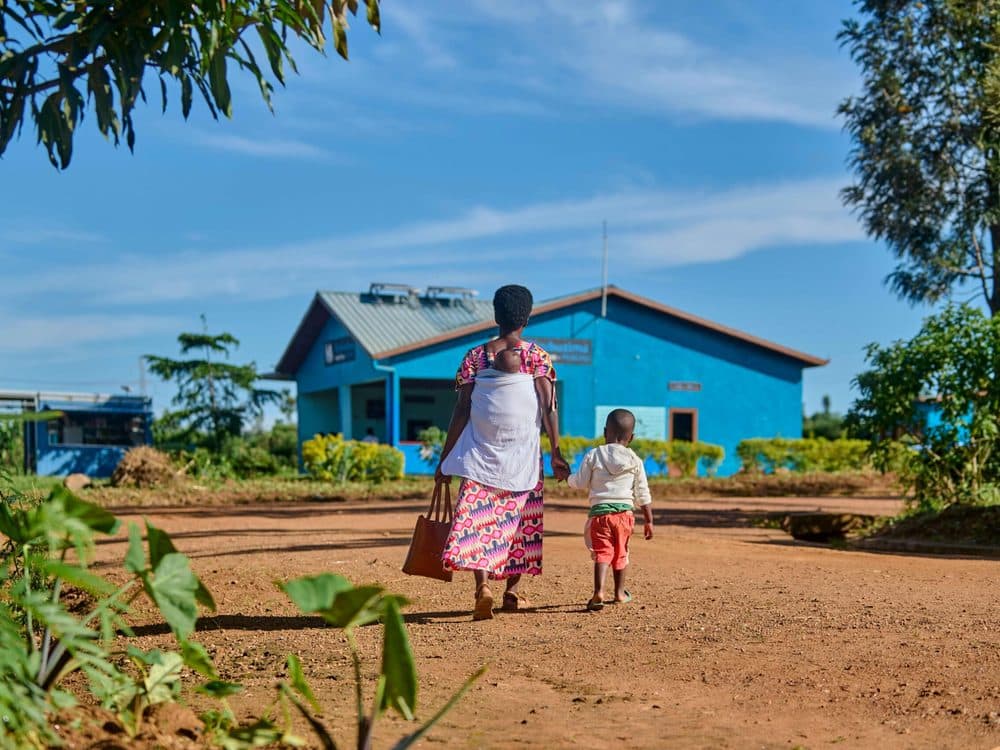
A completed Second-Generation Health Post with community members arriving for care

04

Partnerships that make scale possible

A coalition of public and private partners

  • Elekta Foundation — initiating and financing the end-to-end cervical cancer model, procuring HPV testing and colposcopy equipment, and co-designing the programme
  • Rwanda Biomedical Centre and Ministry of Health — technical leadership, coordination, national guideline alignment, monitoring and evaluation
  • UNFPA — supporting screening and surveillance in Nyabihu and Rubavu, combining workforce capacity building with large-scale community screening
  • Clinton Health Access Initiative — coordinating HPV lab setup and testing, and training providers on see-and-treat procedures
  • Partners in Health — supporting implementation in Kayonza District
  • World Health Organization and Friends of Africa — technical guidance and partnership support in Rubavu and Nyabihu
  • District authorities and local leaders — ownership, mobilization support and the community trust that makes mass screening possible
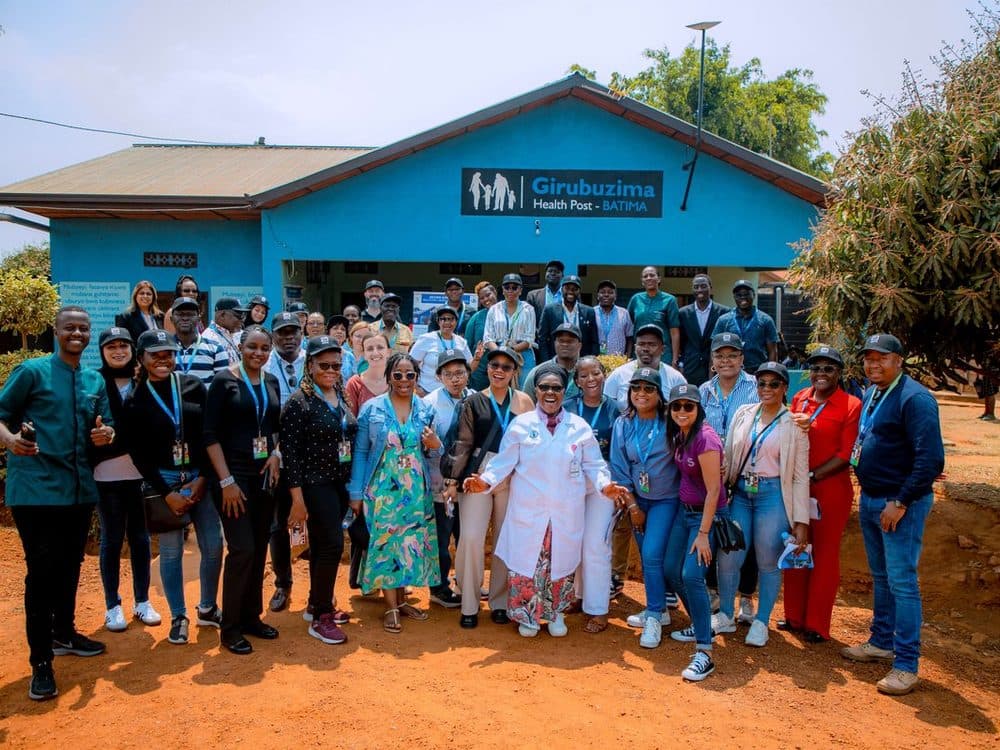
SFH Rwanda staff and partners at a health post launch

Our impact

What our work has achieved

Our cervical and breast cancer campaigns have reached tens of thousands of women across Rwanda — from Gicumbi to Kayonza, Bugesera, Kicukiro, Rubavu, Nyabihu and Karongi.

  • District / campaign: Gicumbi (2022)

    Women screened (HPV)
    18,571
    HPV positive
    3,280 (18%)
    Treated
    458 thermal ablation
    Cancer cases detected
    7 cervical
  • District / campaign: Kayonza (2023–2024)

    Women screened (HPV)
    25,945
    HPV positive
    3,825 called for follow-up
    Treated
    On treatment
    Cancer cases detected
    Cervical & breast cases detected
  • District / campaign: Kicukiro (2025)

    Women screened (HPV)
    44,937 (73%)
    HPV positive
    5,254 (14%)
    Treated
    800 TA / 77 LEEP (88%)
    Cancer cases detected
    8 cervical, 9 breast
  • District / campaign: Bugesera (2025)

    Women screened (HPV)
    48,220 (72%)
    HPV positive
    7,077 (15%)
    Treated
    983 TA / 216 LEEP (85%)
    Cancer cases detected
    7 cervical, 15 breast
  • District / campaign: Karongi (2024)

    Women screened (HPV)
    32,463
    HPV positive
    —
    Treated
    823 TA / 3 LEEP
    Cancer cases detected
    7 cervical, 16 breast
  • District / campaign: Rubavu & Nyabihu (2024–2025)

    Women screened (HPV)
    73,474
    HPV positive
    10,510
    Treated
    804 treated
    Cancer cases detected
    12 cervical, 24 breast

Going forward

Our commitment

No woman in Rwanda should face a cervical or breast cancer diagnosis that could have been prevented. Going forward this programme will:

  1. 1.

    Expand screening campaigns to additional districts, building on the model proven in Gicumbi, Kayonza, Kicukiro, Bugesera, Karongi, Rubavu and Nyabihu

  2. 2.

    Strengthen the decentralized see-and-treat model, bringing thermal ablation and triage to more health centers and health posts

  3. 3.

    Deepen digital integration through mUzima and OpenMRS so every screened woman is tracked from her first HPV test to her final follow-up visit

  4. 4.

    Scale behaviour change communication to address the cultural and religious barriers that keep women from screening

  5. 5.

    Deepen partnerships with Elekta Foundation, UNFPA, RBC, WHO and district authorities so Rwanda's elimination goals are met

Explore our work

  • From 20,000 Women to a Replicable Model — How the Gicumbi Cervical Cancer Pilot Changed the Conversation

    SFH Rwanda | Elekta Foundation | RBC

    Coming soon
  • See and Treat — How Rwanda Is Bringing Cancer Treatment to the Health Center Level

    SFH Rwanda | CHAI | Rwanda Biomedical Centre

    Coming soon
  • What It Takes to Screen 70% of Women in a District — Lessons from the WCED Campaign

    SFH Rwanda Communications Team

    Coming soon
  • Cervical Cancer Is Preventable — Rwanda's Path to Elimination

    Ministry of Health Rwanda | UNFPA | SFH Rwanda

    Coming soon

From the community

She never knew — until she did

A woman from one of our campaign districts describes the day she went for her first-ever HPV screening: what she feared, what she found, and what happened next.
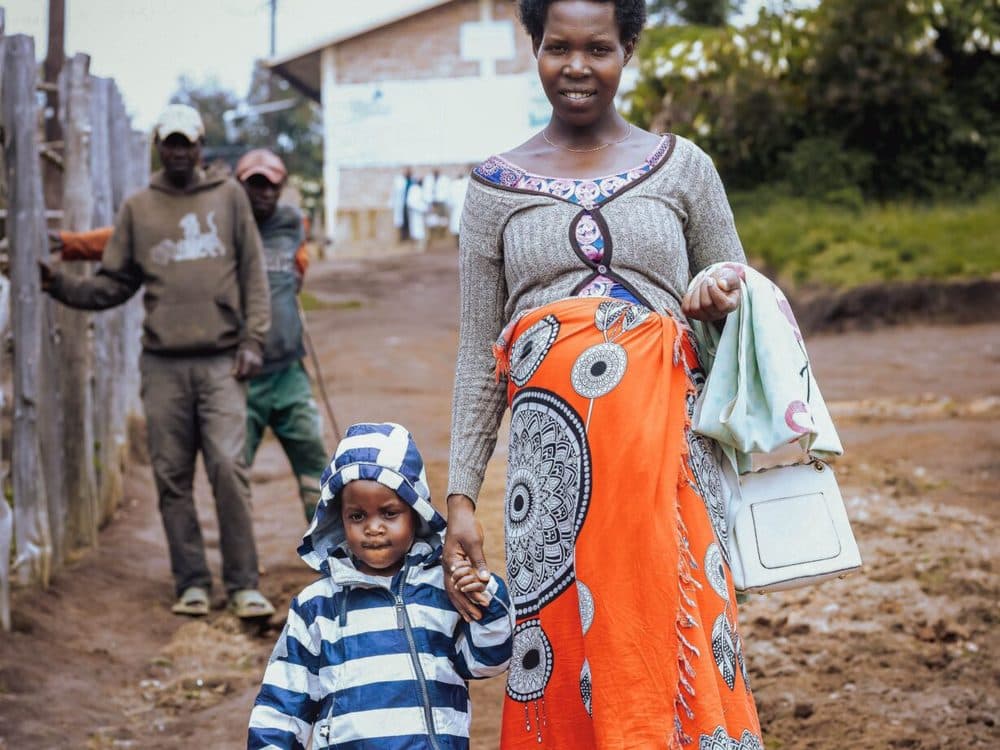
A mother walking with her children in her community