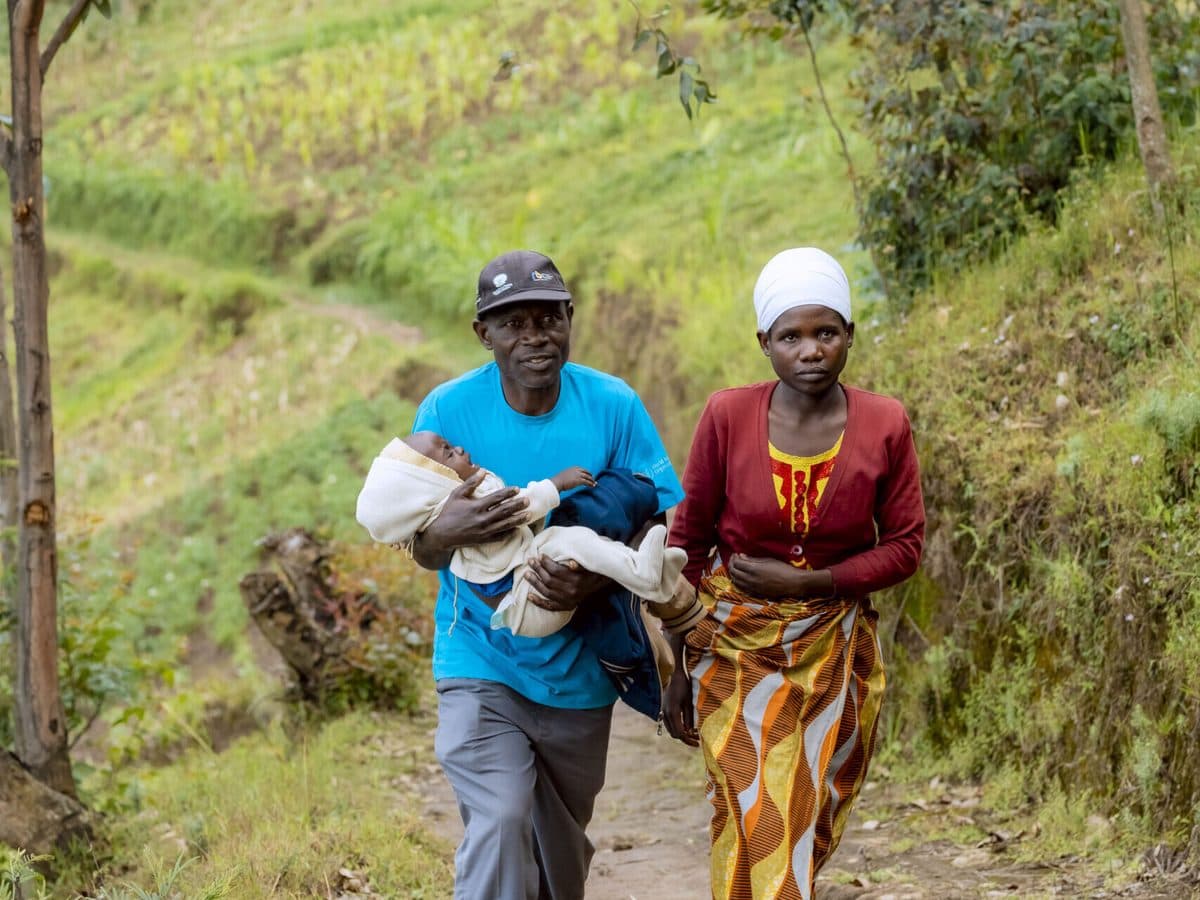
From the community
Clean water, every day
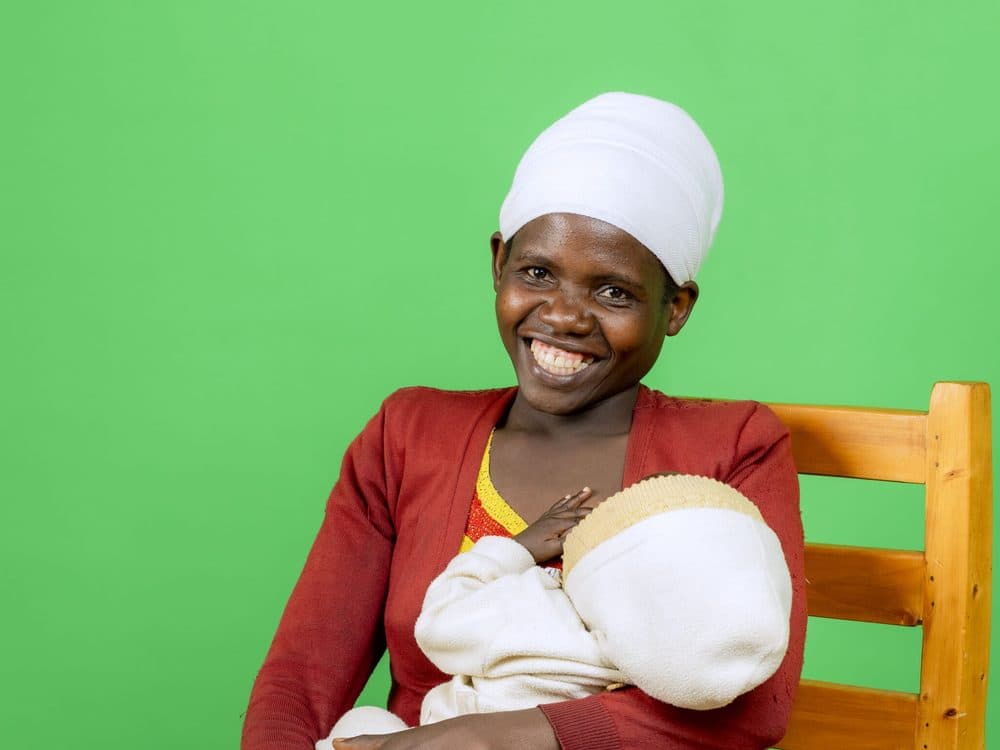
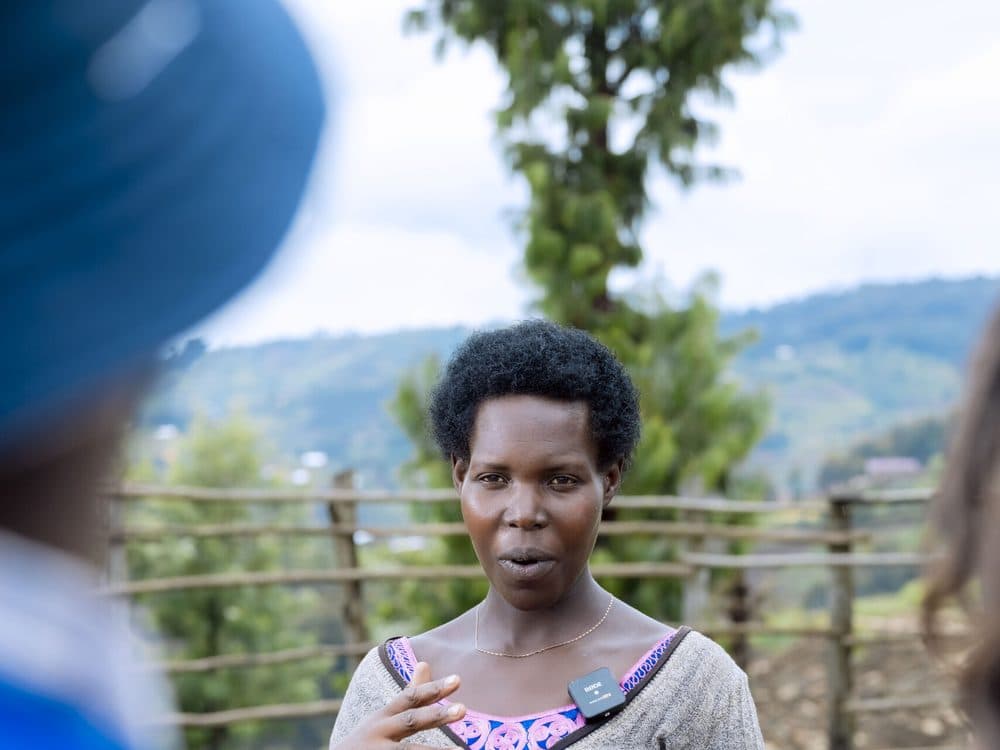
A mother in a rural community describes what it meant when water purification products became available through her Community Health Worker — and what it has changed for her family's health.
What We Do
Access to quality healthcare is not a privilege for those who can afford it, or those who live close enough to reach it. It is a right.
45,000+
30
9
Only
The challenge
Millions of people die each year from entirely preventable diseases — not because the solutions do not exist, but because those solutions never reach them. Safe water, family planning commodities, HIV prevention tools and malaria protection are all available. The gap is in distribution, affordability, and the behaviour change needed for communities to adopt and consistently use them.
Social marketing bridges that gap. By applying commercial marketing principles to public health — understanding what people need, what they can afford, what they trust, and how they make decisions — it gets life-saving products into the hands of the people who need them most.
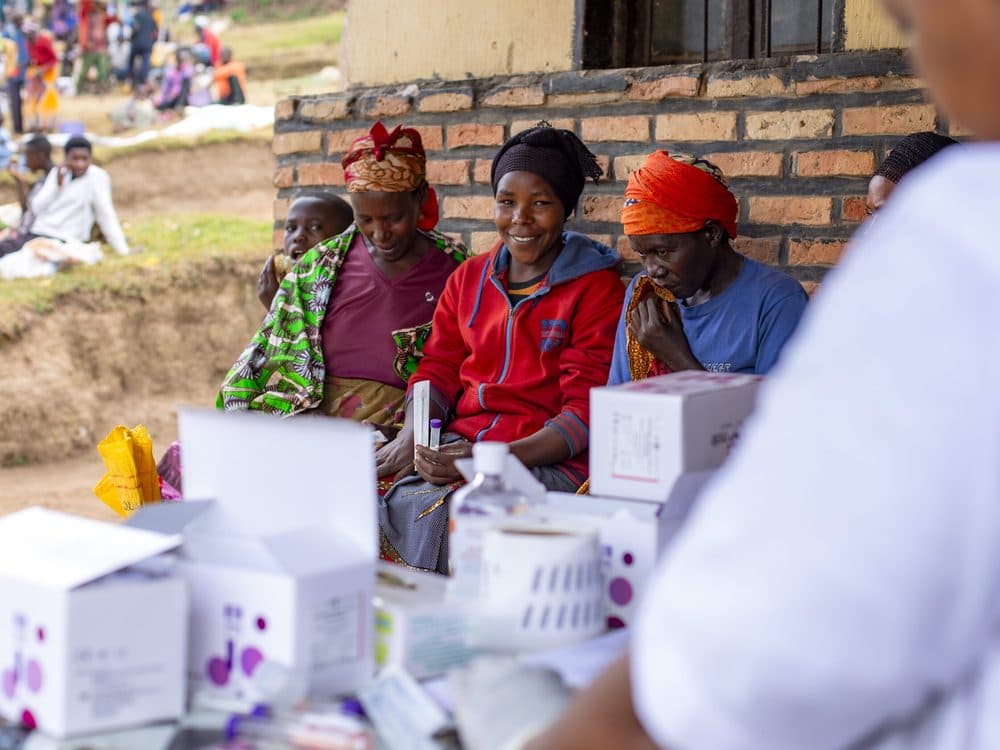
Rwanda has made significant progress through expanded health insurance, a strong community health worker network, and sustained investment in public health infrastructure. Yet gaps remain. Safe water access is uneven across rural communities. Family planning commodities do not always reach the last mile. Malaria prevention tools are inconsistently used in high-burden areas.
The challenge is not awareness alone — it is the intersection of availability, affordability, acceptability and behaviour. A product that sits in a district warehouse but never reaches a rural household has not solved the problem. A product that reaches a household but is not used correctly has not solved it either.
Our approach
Our social marketing programme applies evidence-based marketing and distribution strategies to ensure that life-saving health products are available, affordable, accessible and correctly used — across every district in Rwanda.
The right product, at the right price, in the right place
Decisions driven by data, not assumptions
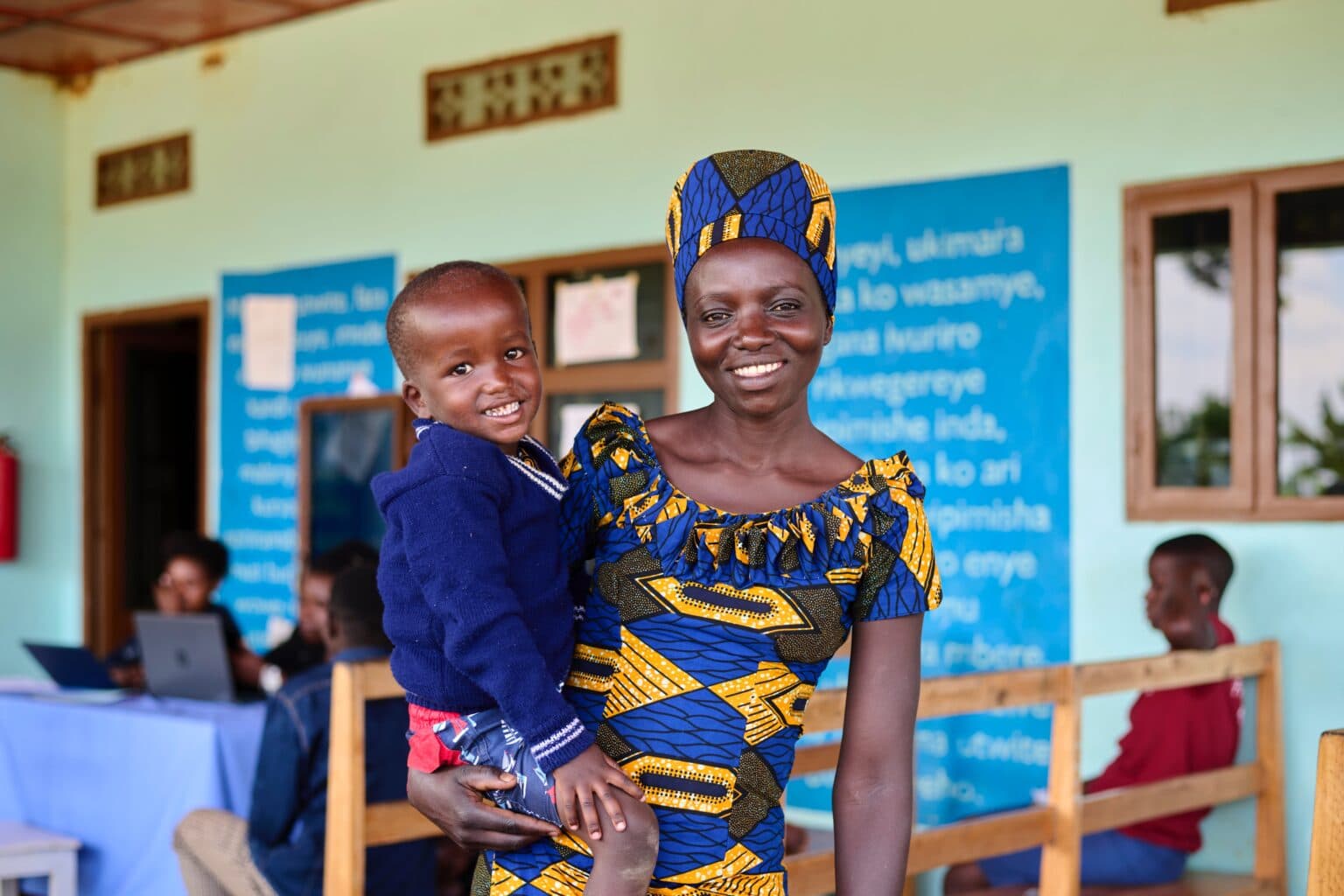
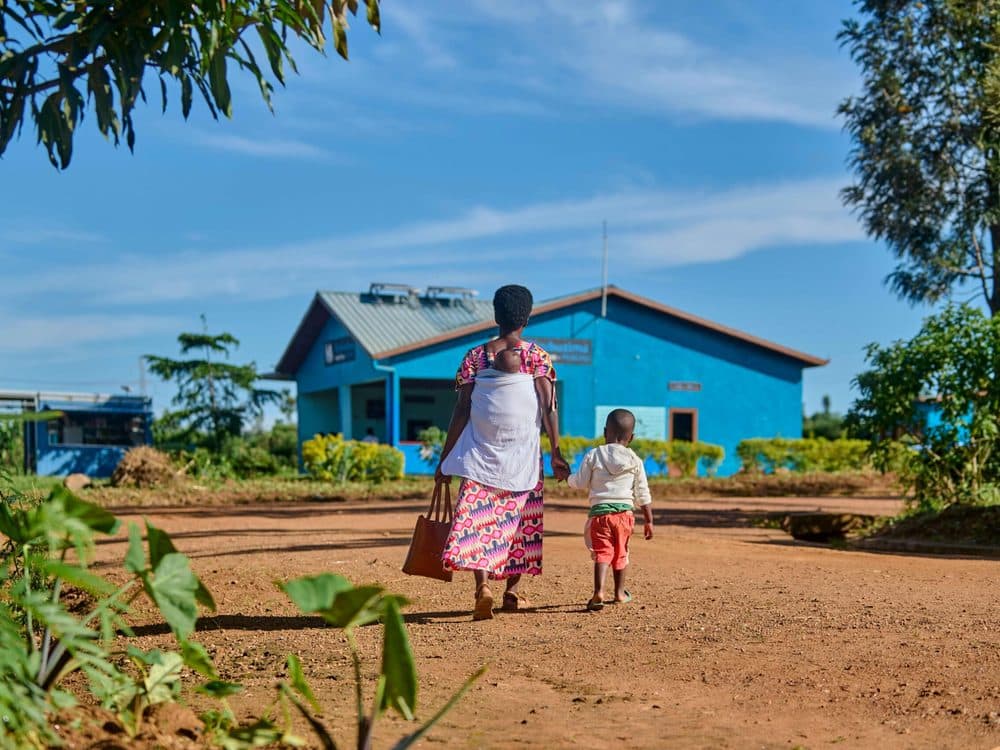
Reaching the communities that systems leave behind
For SFH Rwanda, last-mile distribution is not an afterthought — it is the core challenge the entire programme is designed to solve.
SFH is the only NGO in Rwanda that social markets healthcare products in water, HIV, malaria and family planning. We offer affordable, high-quality products that make health and hygiene accessible:
Long-lasting protection against mosquitoes.
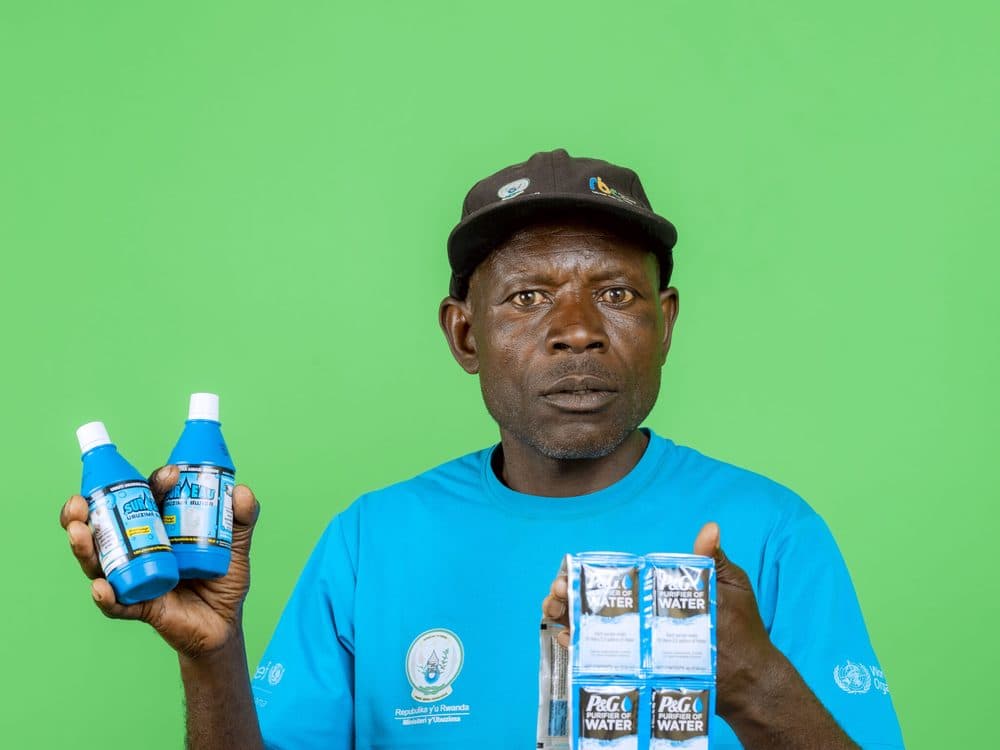
Ensuring safe drinking water for families across Rwanda.
Worn by men during sexual intercourse to prevent pregnancy and reduce the risk of sexually transmitted infections.
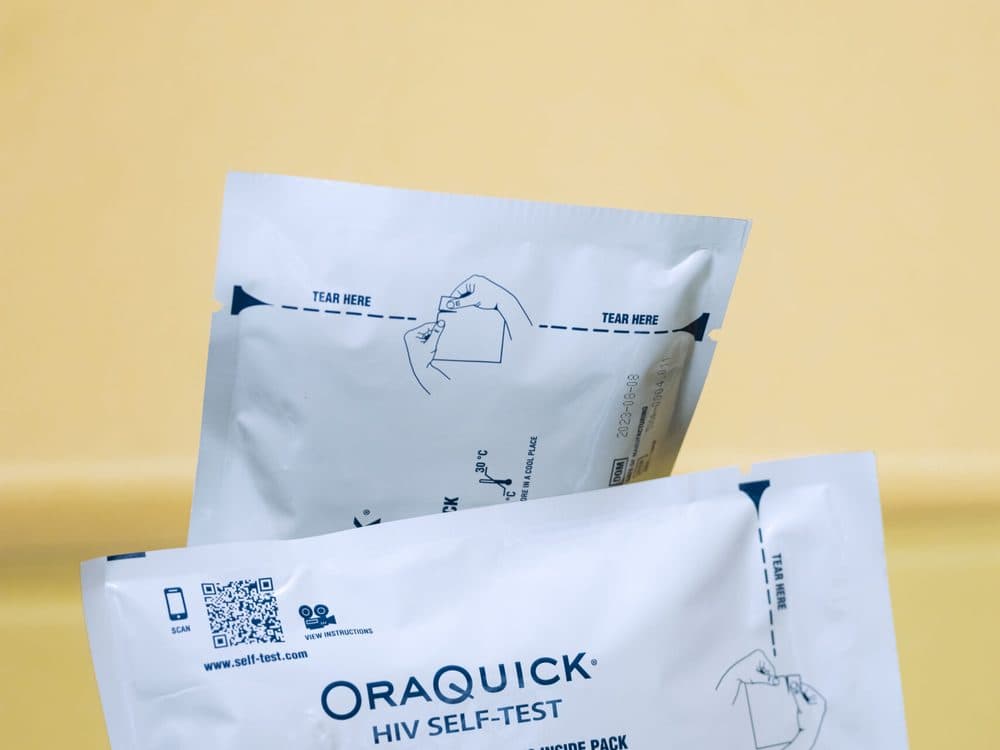
A convenient, rapid and accurate way for individuals to determine their HIV status.
Empowering women and men to make informed family planning decisions.
Feel-good protection from mosquitoes.
Lighting the tip of the coil lets it smoulder, releasing mosquito-repelling smoke.
Passively emanates an active ingredient to protect against mosquito landings and bites in enclosed and semi-enclosed spaces.
A powdered water purification technology in a small packet that purifies 10 litres of contaminated water, removing dirt and contaminants to make it safe to drink.
Our impact
| Indicator | Achievement |
|---|---|
| P&G water purification | Countrywide distribution reaching households in all districts, including hard-to-reach areas |
| Sur'Eau distribution | Countrywide distribution through community and commercial channels |
| Family planning coverage | Products distributed through health posts, CHW networks and community distribution points nationwide |
| HIV prevention products | Condoms and prevention commodities distributed through diversified channels to key and vulnerable populations |
| Malaria prevention | Products distributed in high-burden districts in coordination with the IRS and net programmes |
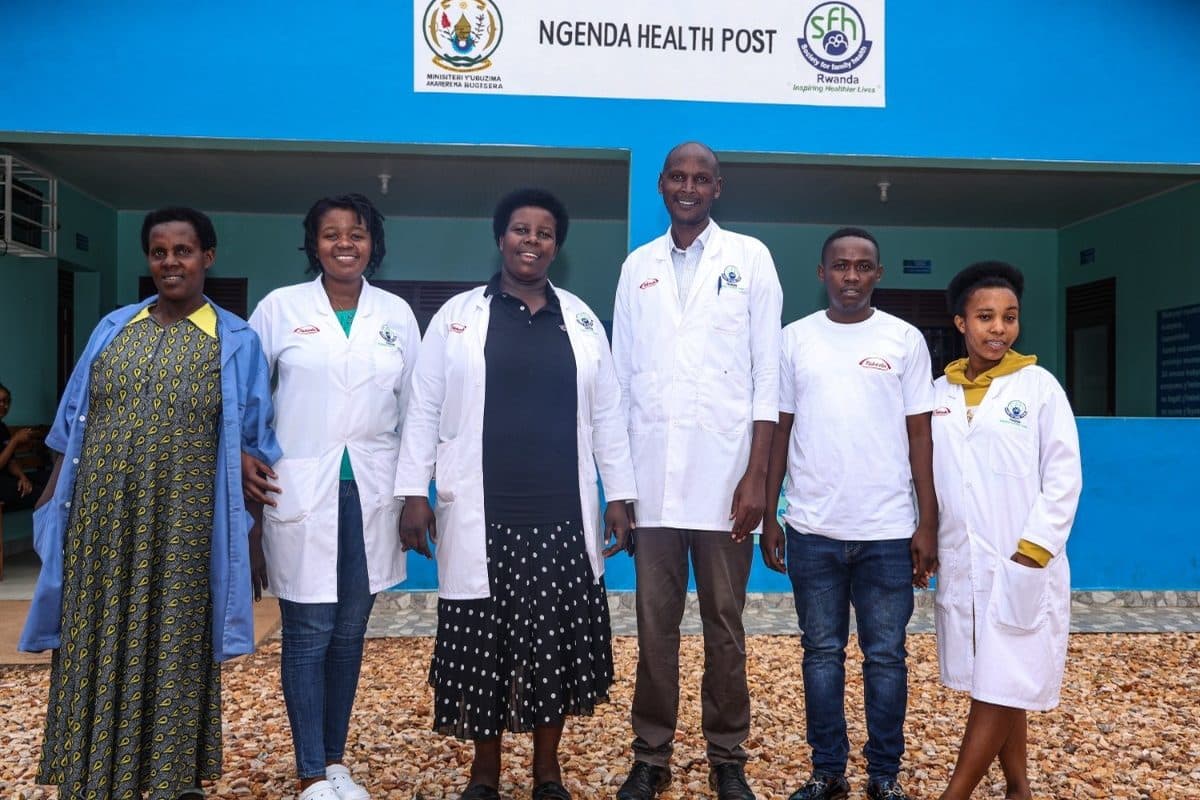
| CHW distribution network | More than 45,000 Community Health Workers supported as community-level distributors |
| Behaviour change reach | Thousands of community members reached through health education sessions, radio and household visits |
Going forward
Access to quality health products is a right, and we are committed to making it reach every Rwandan, in every community, at every income level. Going forward this programme will:
Expand last-mile distribution networks into the most underserved and hard-to-reach communities
Strengthen evidence-based programme design through ongoing consumer research and market intelligence
Scale digital distribution channels, integrating with EMR, CMR and health post networks for real-time stock management and demand forecasting
Deepen behaviour change programming to address the barriers that prevent consistent product use
Grow private sector partnerships with retail networks, pharmacies and commercial distributors
From the community
A mother in a rural community describes what it meant when water purification products became available through her Community Health Worker — and what it has changed for her family's health.
04
Social and behaviour change communication
A product that reaches a household but is not used is a missed opportunity