IRS Is Reinforcing Rwanda’s Malaria Defence
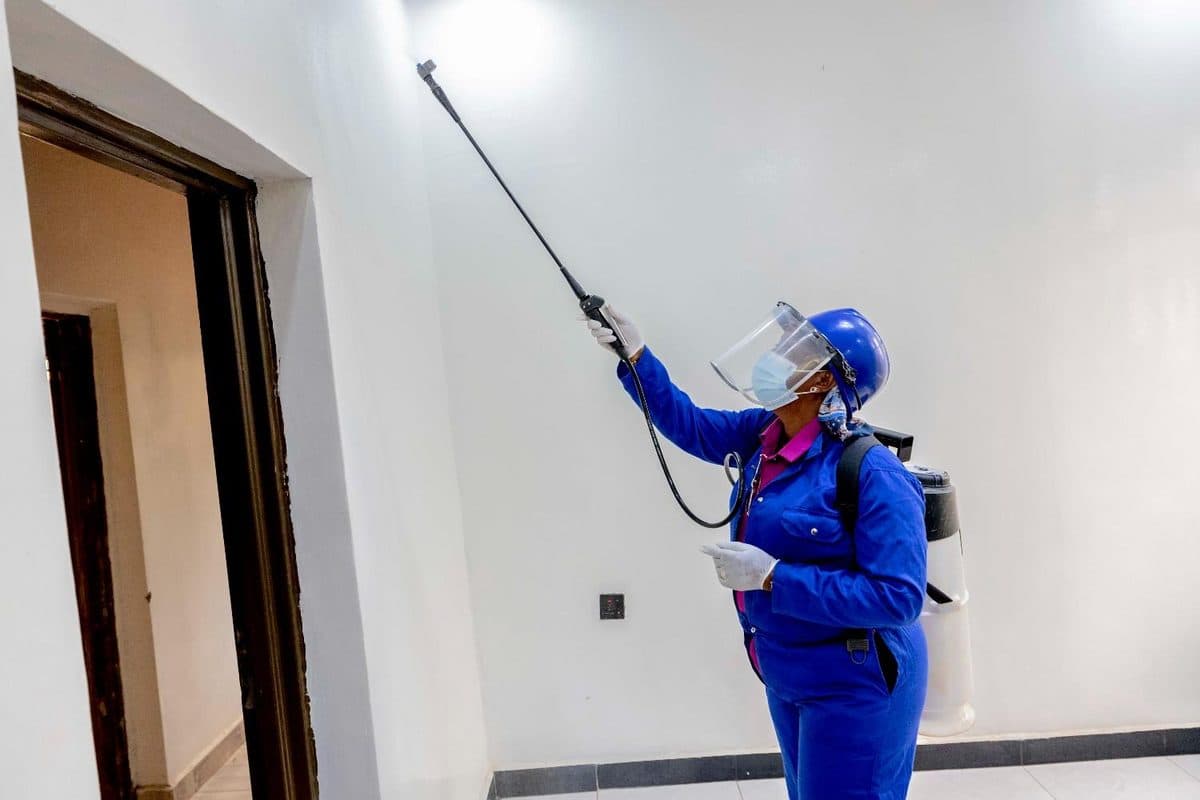
In October 2025, with support from the Global Fund, Rwanda’s Ministry of Health, through the Rwanda Biomedical Centre (RBC), we moved from blanket Indoor Residual Spraying (IRS) to a targeted, intelligence-led model — concentrating resources where malaria burden was highest.
In Eastern Province, Rwanda’s malaria vector control strategy translated into action. Between October and November 2025, Society for Family Health (SFH) Rwanda partnered with district leadership to implement IRS in 16 high-incidence sectors across Bugesera, Kirehe, Nyagatare, and Rwamagana.
The sectors selected were not chosen by geography, but by epidemiology — each reporting over 100 malaria cases per 1,000 population. The objective was simple but strategic: interrupt transmission where it is most concentrated, protect the most vulnerable populations, and prevent resurgence.
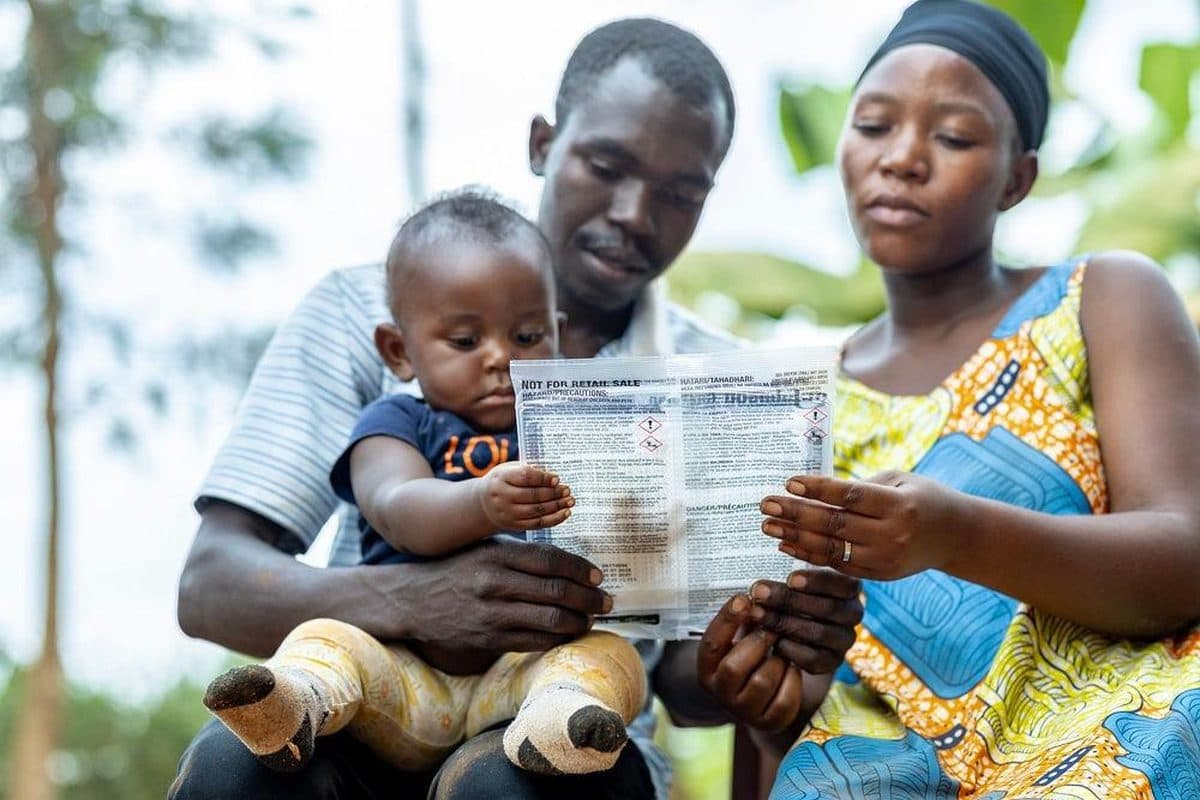
Among them were more than 8,000 pregnant women and over 73,000 children under five — the populations most at risk of severe malaria outcomes
“ This is a very good activity because malaria is a big issue here in our community. It is a protective measure, so one of the strategies I have aligned myself with is to let my neighbours know that they must be first in line because prevention is better than cure ”
Indoor Residual Spraying is often viewed as a technical intervention — insecticide applied to interior walls. But in practice, it is a systems exercise. It requires synchronized planning between national and district leadership. It demands community trust. It depends on quality assurance, supervision, and entomological monitoring. It relies on disciplined logistics and environmental safeguards.
This campaign mobilized nearly 1,700 personnel across technical, supervisory, and community health workers (CHW’s) — not simply to spray walls, but to execute a coordinated public health operation under compressed timelines and fiscal constraint.
What made the difference was not scale. It was alignment.
Local leaders engaged communities early. Data teams monitored progress daily. Quality checks confirmed insecticide performance above WHO thresholds. Environmental compliance standards were upheld. Every layer reinforced the next.
“ We are fully committed to supporting this intervention alongside our partners because the health of our residents directly affects the strength of our communities. When people fall ill, livelihoods are disrupted, and children miss school. That is why we will continue to actively mobilize and engage our communities to ensure this campaign is understood, accepted, and embraced .”