Beyond Borders, Closer to Communities
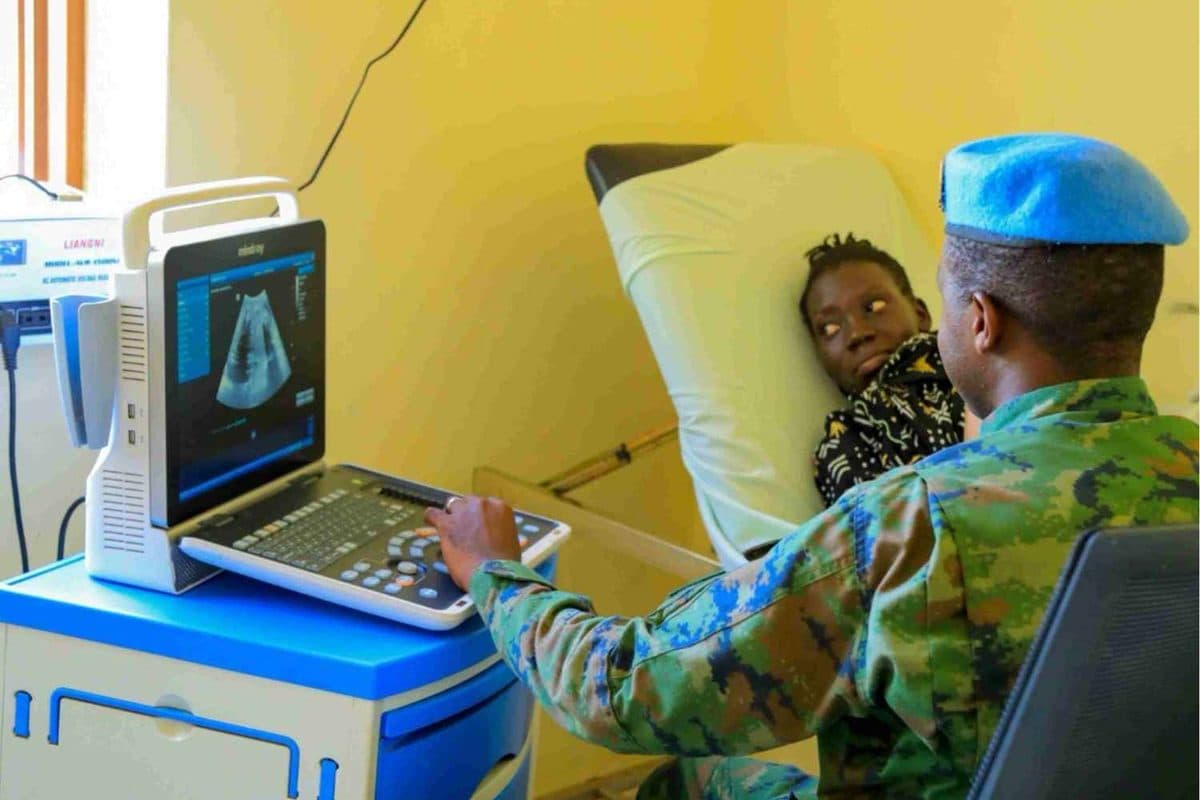
In Gudele, Juba, a partnership rooted in service, solidarity, and community trust is helping expand what primary healthcare can deliver for underserved communities.
Through collaboration with the Rwandan Contingent serving under the United Nations Mission in South Sudan (UNMISS), Society for Family Health South Sudan is strengthening access to essential and specialized health services, while reinforcing the role of primary healthcare as the first and most trusted point of care for communities.This collaboration reflects a practical model of partnership beyond borders: bringing together civil society, peacekeeping support, local health systems, and community-centered implementation to respond where health needs are greatest.
When Peacekeeping Support Meets Primary Healthcare The collaboration between SFH South Sudan and the UNMISS Rwandan Contingent has helped extend the reach of Gudele Health Facility beyond routine service delivery.
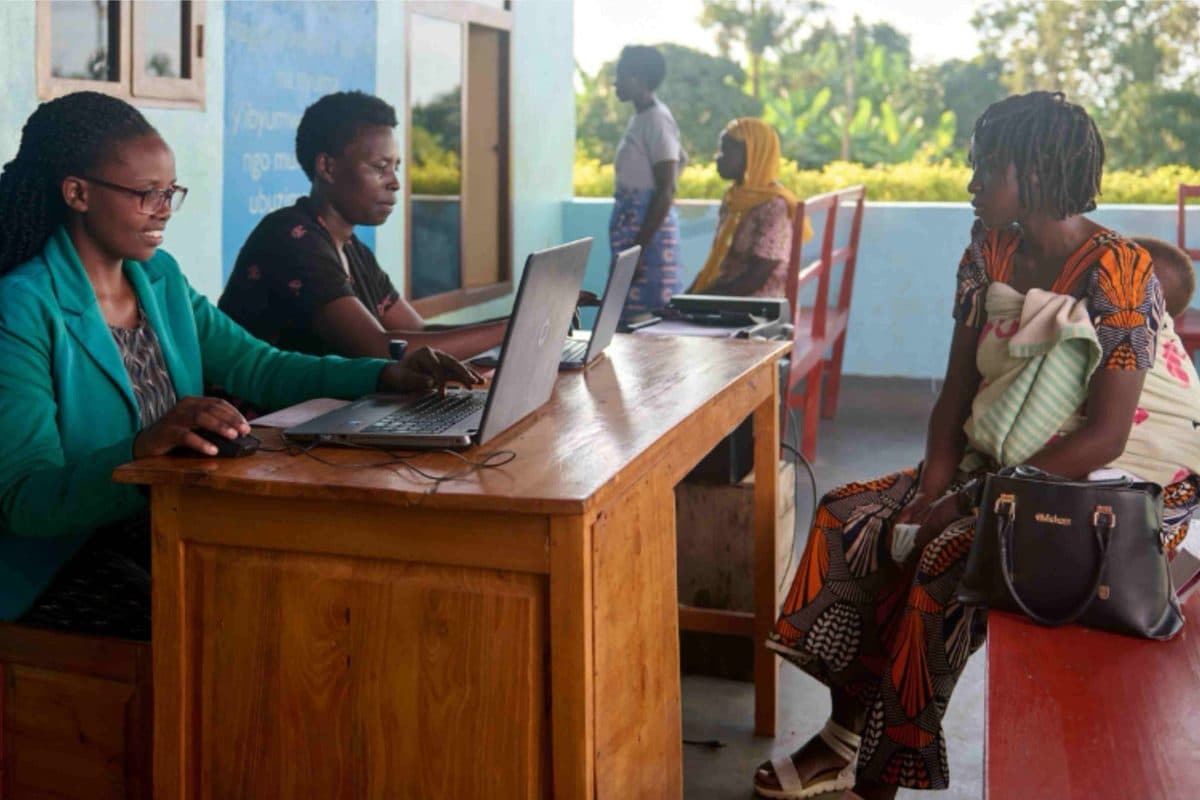
Through this partnership, SFH and the Rwandan peacekeepers supported free specialized medical outreach services for more than 500 residents in Gudele, Juba. The outreach provided services such as dental care, eye care, and obstetric ultrasound examinations for pregnant women — services that many community members would otherwise struggle to access at primary care level.
For pregnant women, access to obstetric ultrasound closer to home is more than a convenience. It supports early identification of risks, improves maternal reassurance, and strengthens referral decision-making when complications are detected. For residents receiving dental and eye care, the outreach reduced the need to travel or wait for specialized services elsewhere, easing financial and logistical barriers for families.
Beyond medical outreach, the collaboration has also moved into health infrastructure strengthening. With support from the UNMISS Rwandan Contingent Army and Police, SFH South Sudan officially launched renovation works at the Gudele Block 4 Health Facility in Juba. Once completed, the expanded wing will add inpatient capacity, improve storage space for medicines and medical supplies, and provide dedicated working space for healthcare personnel and administration.
This support is significant because it moves the partnership from short-term service delivery to long-term health system strengthening. Additional beds and improved facility space will help Gudele Health Facility manage more patients, reduce unnecessary referrals, improve continuity of care, and strengthen its readiness to serve the surrounding community.
Health Education as Part of Service Delivery This engagement also created an opportunity to engage the community on prevention, health literacy, and preparedness. Community members received health education on hygiene and sanitation-related disease prevention, malaria prevention, and Ebola Virus Disease preparedness, particularly in light of reported outbreak risks in neighboring Uganda and the Democratic Republic of the Congo.
For SFH South Sudan, this approach aligns strongly with its community-centered model. Health education has been a core part of its work since 2021, including routine morning health talks at Gudele PHCC, community events, door-to-door visits, radio talk shows, interpersonal communication sessions, and engagement with community health workers and local leaders.
Malaria remains one of South Sudan’s most urgent health challenges, especially for pregnant women, children under five, displaced populations, and households in high-transmission areas.